The Andalusian Federation of Mountain Sports awards the Estepona climbing wall for its offer and promotion of climbing at national level.
The group has recognized the relevance of this municipal facility at the II Gala of Mountaineering in Malaga.
Estepona City Council reports that the Andalusian Federation of Mountain Sports, Climbing and Hiking has awarded one of its annual awards to the Municipal Climbing Wall of Estepona, highlighting the contribution that this public facility has been making to promote the practice of climbing nationwide thanks to its offer and special features.
The award was presented at the II Gala of Mountaineering Malaga that took place last Wednesday at the Edgar Neville Auditorium of the Provincial Council. The councilman attached to the delegation of Sport, Luis Gil, was in charge of collecting the award at this event that aims to recognize the institutions, clubs and athletes from Malaga for their achievements in the discipline of the Andalusian Federation of Mountain Sports, Climbing and Hiking. The organizers have highlighted the special characteristics of the climbing wall, "which is becoming a national reference, both for its offer for the practice of climbing and for its work in promoting it".
The Estepona climbing wall receives this recognition when it is about to celebrate a year since its opening. During this time it has hosted numerous teams and professional athletes who have chosen its facilities for training sessions and official competitions. In addition, this municipal facility offers climbing training courses for children from 6 to 12 years old.
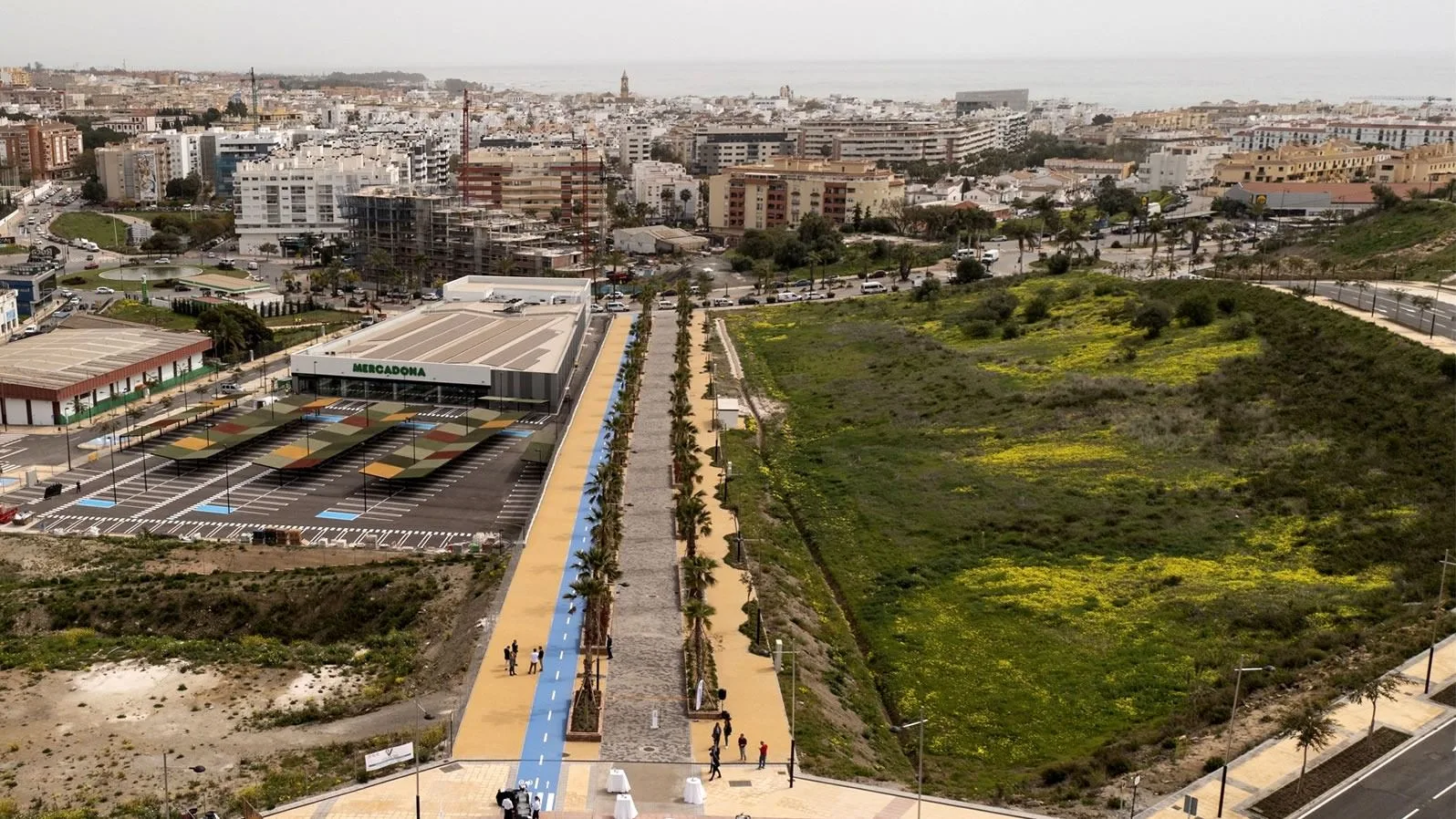
It is the largest outdoor facility of its kind in Spain. Located in the Fair, Sports and Permanent Leisure Park of Estepona, it has a climbing wall-rocodrome that has been designed for difficulty, speed and block modalities. It has a complete surface of 662 square meters, which are divided into 115 square meters of the speed area, 363 meters of the difficulty area, and 184 meters of the block area. One of the features highlighted by the climbing professionals themselves is the existence of 20 routes of difficulty, routes that can be done in pairs and that allow the space to be used by up to 40 people at the same time. It also has two speed routes that can be used in official competitions and are approved by the International Federation of Sport Climbing (IFSC).