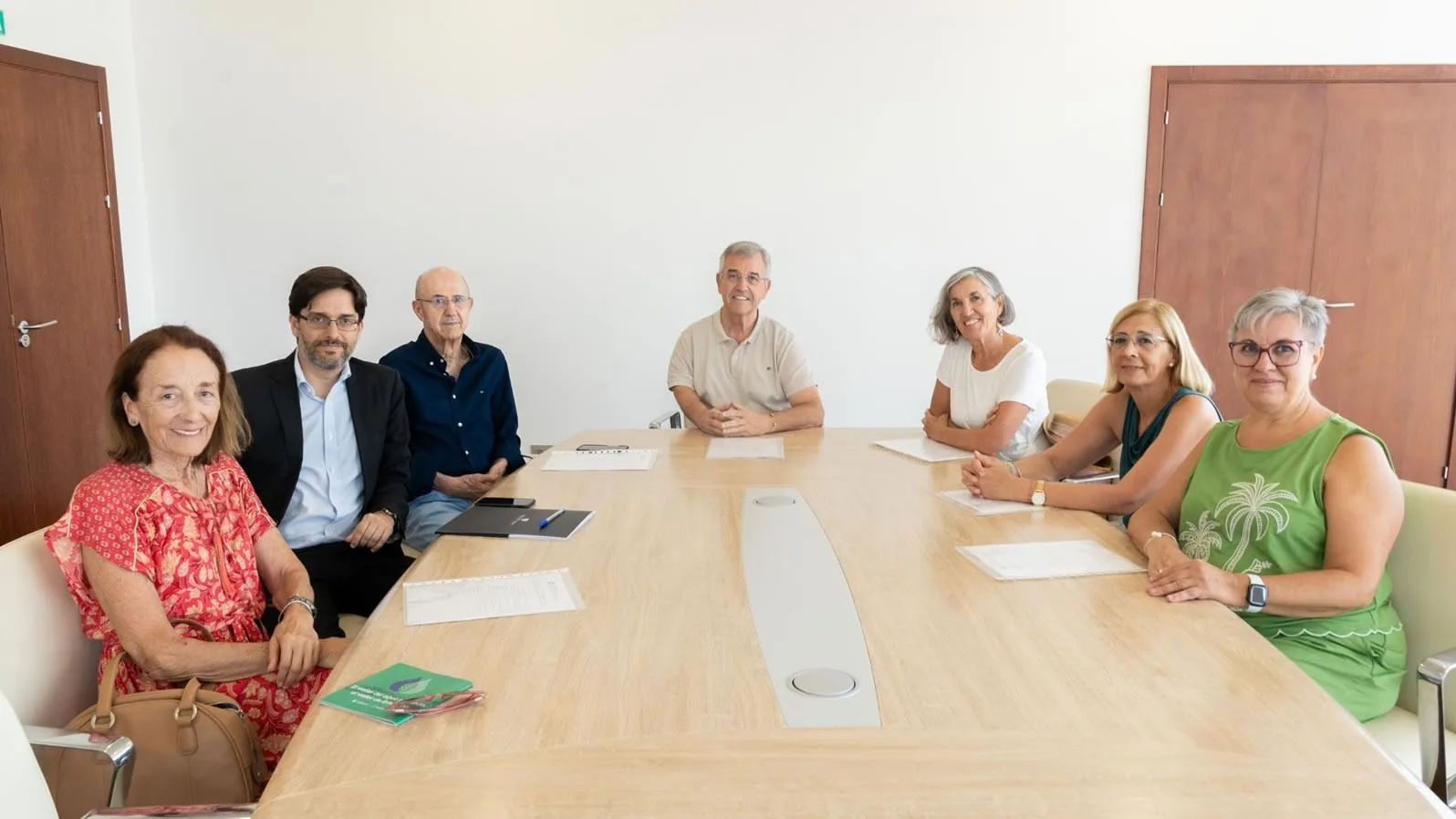
The City Council prepares a contentious-administrative appeal against the decision of the central government to leave Estepona without European funds.
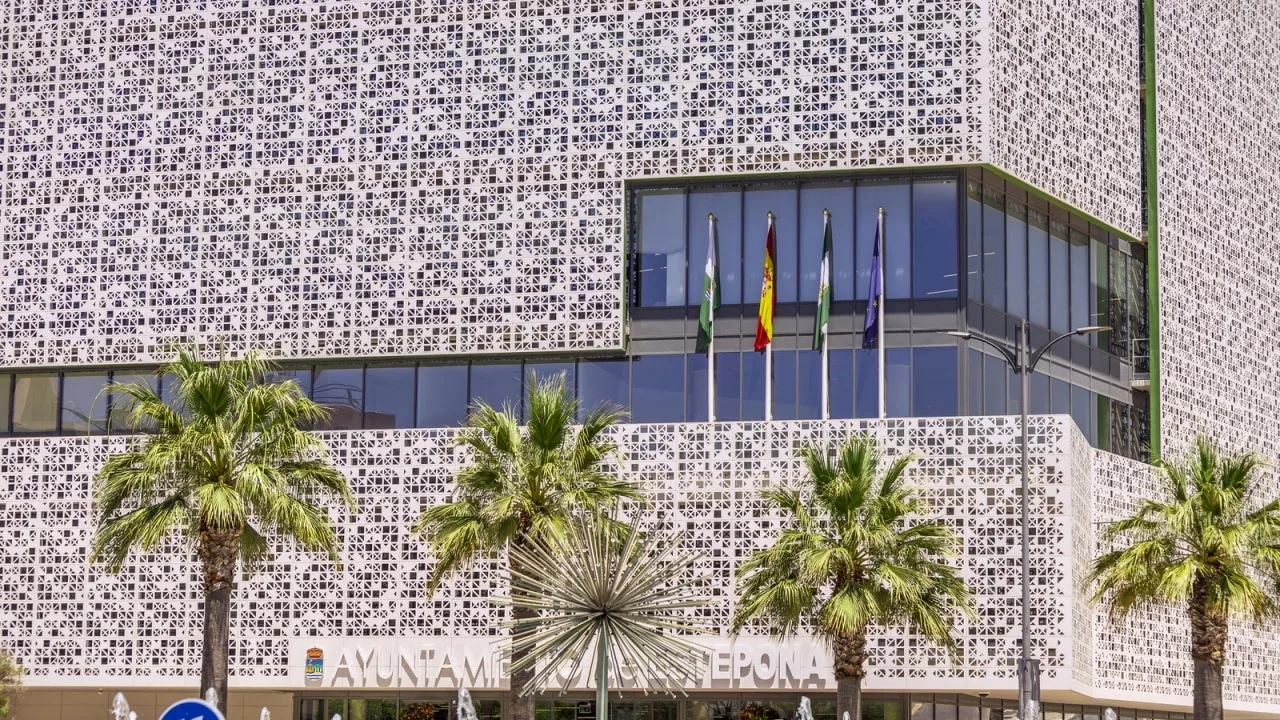
Despite being one of the Andalusian municipalities with greater compliance and transparency in the implementation of these grants in recent years, the central government has rejected the project submitted. The city is eligible for 20 million European funds aimed at consolidating the sustainable city model and enhancing the value of its heritage.
The City Council of Estepona is preparing a contentious-administrative appeal against the resolution of the Directorate General of European Funds, a body under the Ministry of Finance, which leaves the city out of the last call for aid under the European Regional Development Fund in the programming period 2021-2027. The Consistory presented allegations to the provisional resolution of the distribution of funds. The Government has rejected, according to communication received, these allegations, so Estepona is out of the call. From this moment on, the only way to claim is through a contentious administrative appeal.
The Estepona City Council remains committed to the sustainable city model on which it has been working in the last decade. To this end, and with the aim of the implementation of new initiatives that promote progress towards modernization and transformation based on sustainability, had competed in the call for the allocation of ERDF financial path to integrated action plans of local authorities (under the Sustainable Urban Development), under the European Regional Development Fund in the programming period 2021-2027. The action plan presented is 'Estepona, garden of the Costa del Sol, green and sustainable city'. The project budget is 20 million euros, financed 85% with ERDF funds and 15% by the City Council itself.
The healthy situation of the municipal coffers, with zero debt after liquidating the debt inherited from previous governments, up to date in payments to both the Treasury and Social Security and with a record surplus, allows the city to compete for this new call for aid. This is one of the arguments defended in the allegations presented by the Consistory, since the resolution of the Government points to the lack of economic solvency when scoring down the project submitted by Estepona.
With this initiative, Estepona intends to follow a continuous line of progress towards modernization and sustainable transformation based on planning and strategy, betting on consolidating the revitalization of the urban center, as an emblem of revival of the city, and continue to be the Garden of the Costa del Sol. In this way, it aims to continue working on the model of green and sustainable city, promoting actions for the protection, recovery and enhancement of the natural, archaeological, historical and ethnological heritage of the city. It also aims to continue renaturalizing and regenerating the city with a continuous process of urban improvement and transformation, improving public facilities and services, and being resilient to climate change through measures of prevention, awareness, efficiency and savings in energy and water consumption.
However, the central government leaves out of the distribution of these funds the sustainability project presented by Estepona, considering that it does not reach the minimum score. From the Consistory defends that the plan submitted meets all the requirements and criteria stipulated in the call, and that the city already has successful experience in the management and implementation of these funds. This is indicated by the deputy mayor of the Economic Area, Ana Vilaseca, who said that the City Council will resort to administrative litigation to defend the interests of the city, after the Ministry of Finance has rejected the allegations made to the provisional resolution of the distribution of funds.
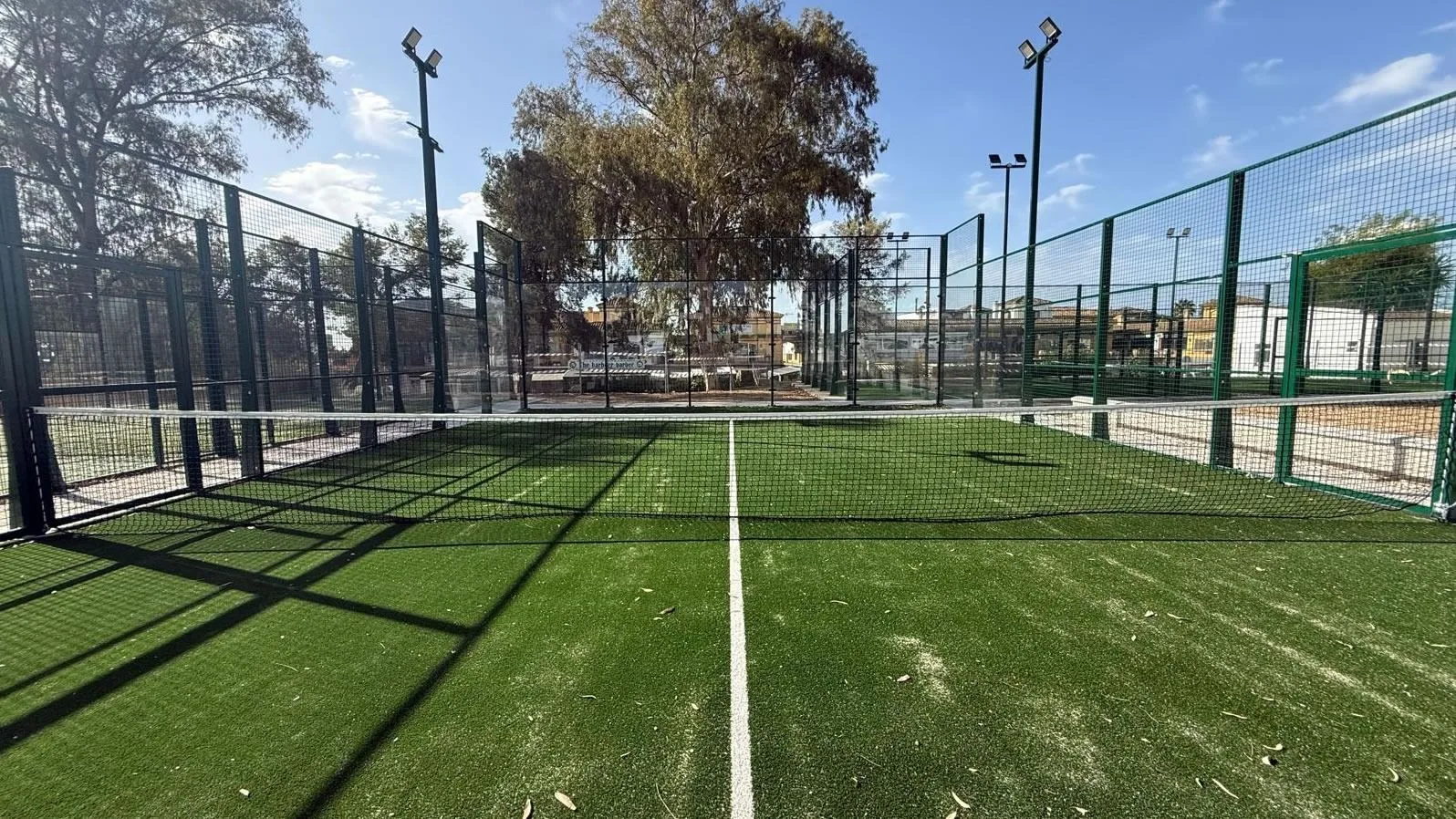
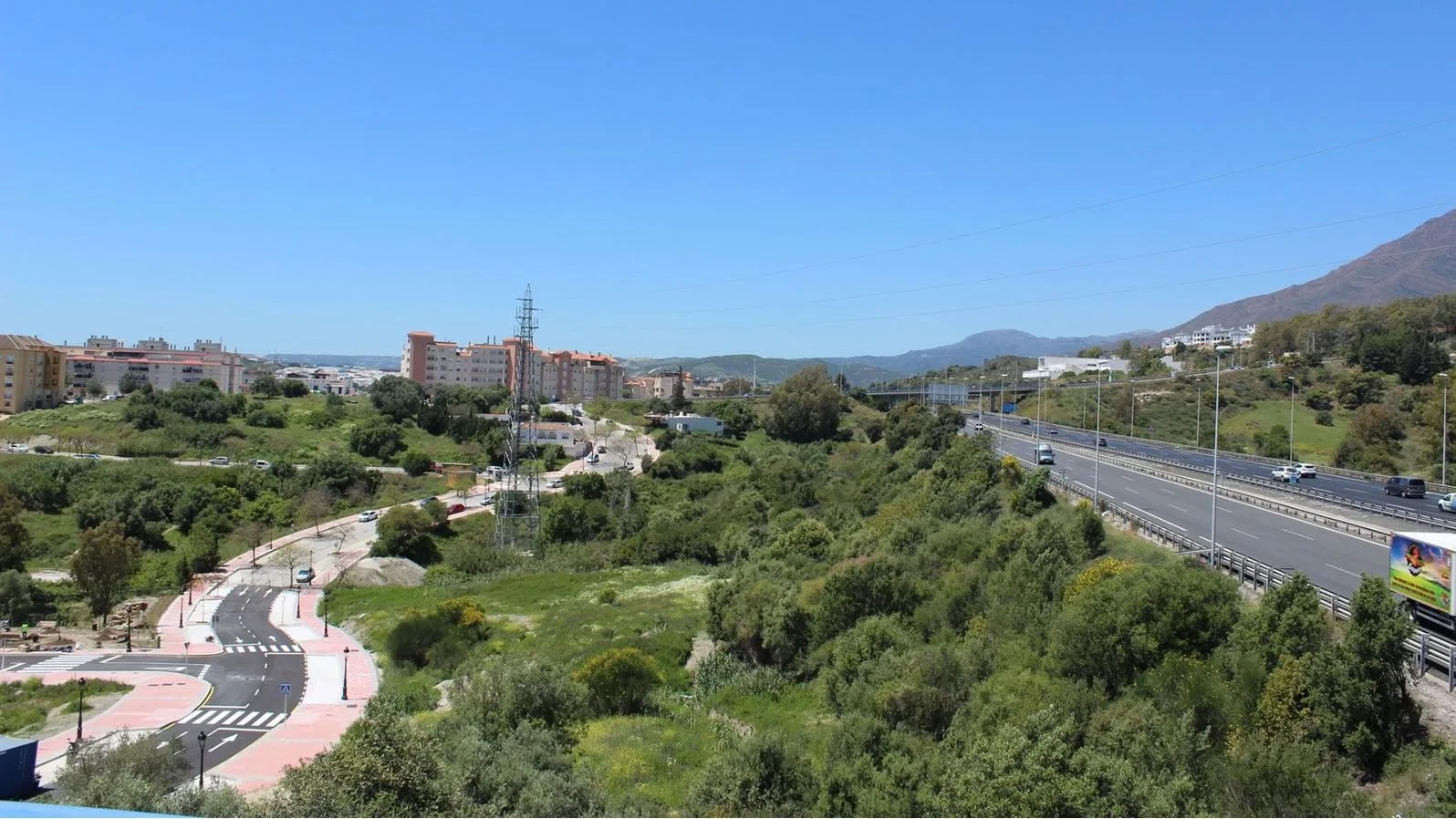
The Estepona Integrated Plan submitted to the call for ERDF funds incorporates actions such as the creation of new river corridors, energy rehabilitation in public buildings, the development of photovoltaic systems in municipal infrastructure, the creation of green areas, new exhibitions, cultural and leisure events in Mirador del Carmen, sports projects or commercial revitalization and recovery of urban spaces, initiatives that have taken into account the interest of citizens.
Estepona has been one of the Andalusian local administrations with the highest degree of execution of the European aid obtained in the 2016 call through the European Regional Development Funds for Sustainable and Integrated Urban Development (ERDF-EDUSI), with almost 90% of the total of the 10 million granted. The project, which was carried out with municipal co-financing at 20%, contemplated the consolidation of the old town as one of the main tourist attractions of the city, the improvement of public equipment and facilities and the modernization of municipal offices through the incorporation of new technologies.