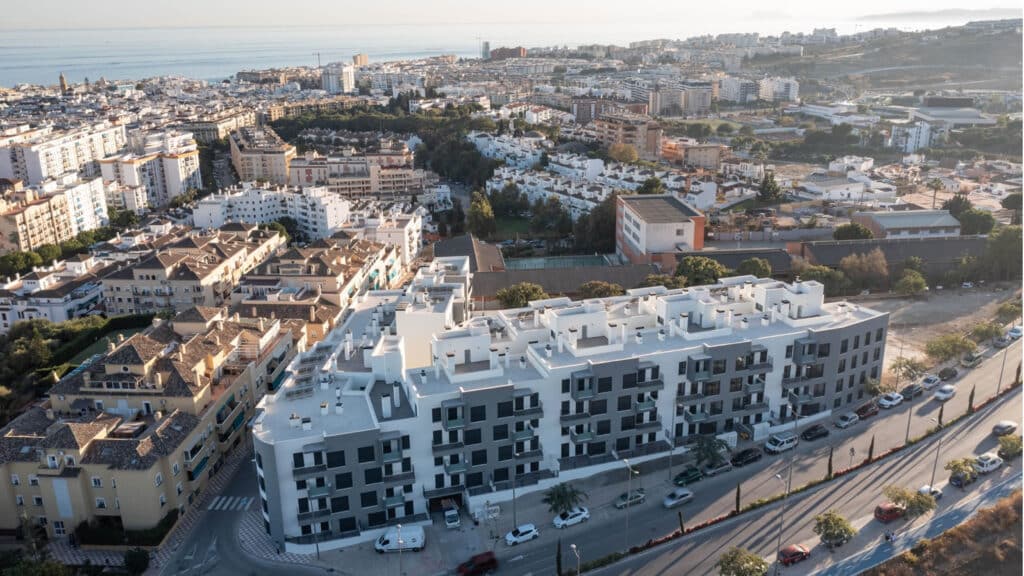
The City Council carries out safety improvements at the ‘Las Hormigas’ traffic circle on the A-7, at the height of Arroyo Vaquero.
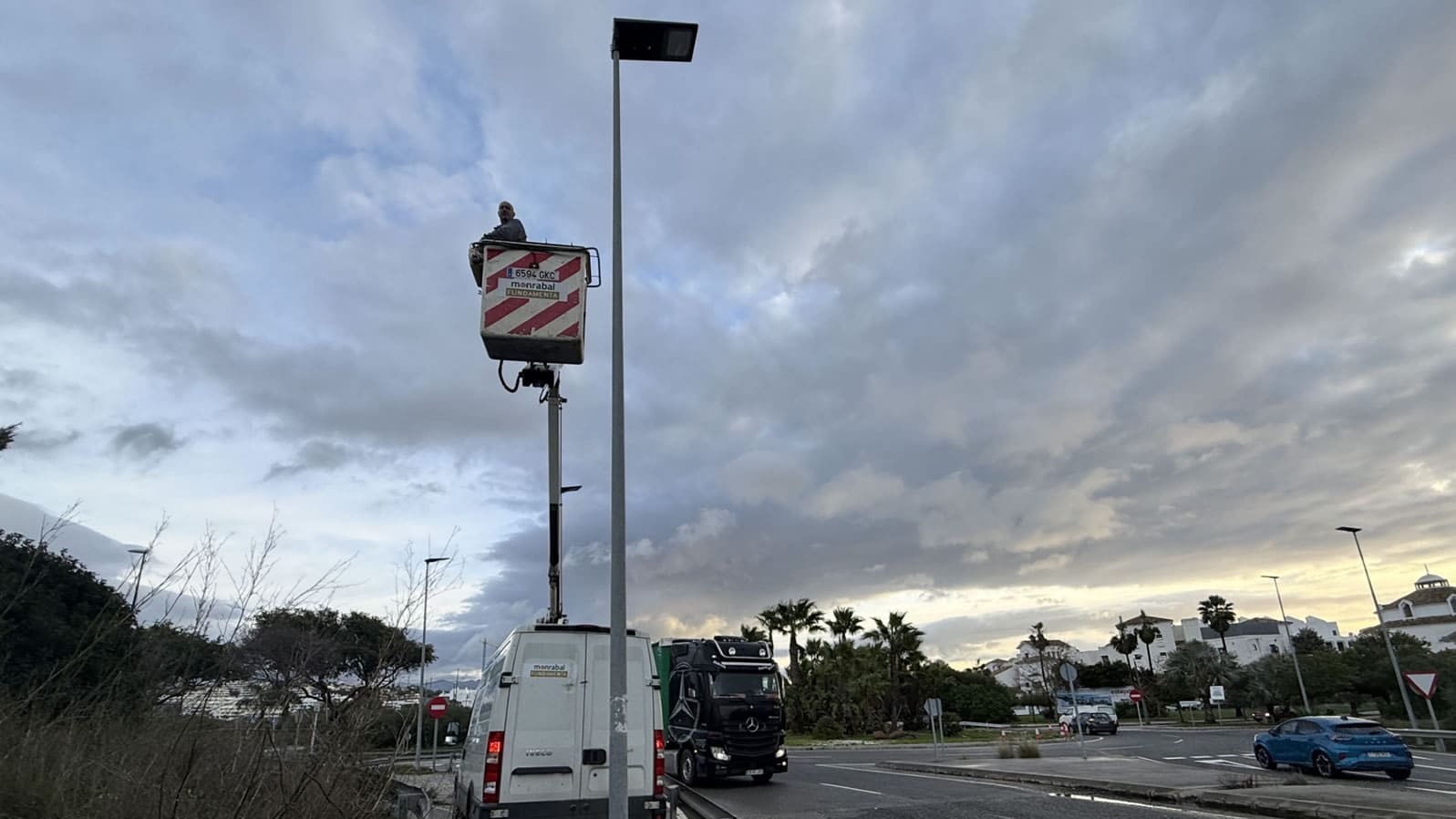
The project includes the reinforcement of luminous vertical signage to ensure moderation in speed, the installation of beacons and the improvement of lighting along the entire exterior perimeter.
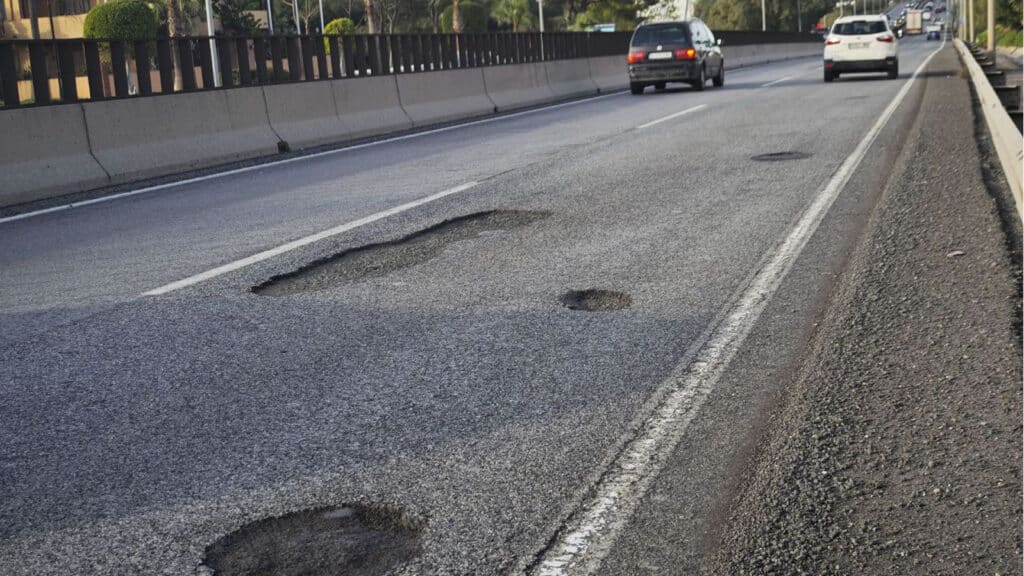
The City Council of Estepona informs that it is carrying out improvements in the safety of the traffic circle of Arroyo Vaquero, known as ‘Las Hormigas’ traffic circle, by optimizing the visibility and signaling, in the scope of action that corresponds to the Consistory.
These works, which are being carried out by the Operational Brigades, are consisting of the replacement of 20 linear meters of bollards (guardrails), the reinforcement of the luminous vertical signage on the perimeter of the traffic circle itself to ensure adequate entry speed, as well as the installation of headlights designed to reflect the light of vehicles and improve the visibility of the road, edges and obstacles. In addition, the lighting around the outer perimeter of the traffic circle is being improved with the replacement of the luminaires.
The City Council is carrying out these actions which, although they will significantly increase the safety of this area, should be accompanied by measures to reduce the speed of entry to the traffic circle, located on the A-7, something that is the responsibility of the Ministry of Development.
Recall that the government team made possible the construction of this traffic circle after an agreement with the Ministry of Development in 2015. This infrastructure, which was demanded since 2007 by the residents of all this environment, was necessary because it is located in an area that is in continuous growth, with the development of new commercial spaces and educational facilities, in addition to providing access to the High Resolution Hospital.
Also, since this traffic circle has been in operation, access to the highway from the western part of the municipality has been facilitated, thus preventing users who travel this stretch of road every day from having to travel unnecessarily more than two kilometers to change direction.
New Apartments


New Houses



Featured Properties



More news
Estepona inaugurates the cycle of presentations of the book ‘Sofia and the mystery of the sky’, an initiative for schools to address the grief of loss
The City Council collaborates with this cultural project and has delivered a copy to each of the local primary schools. The event will take place…The great poet of the Carnival of Cadiz, Martínez Ares, presents his new Comparsa, ‘Los Humanos’ at the Felipe VI Auditorium.
The comparsa with which it participates in the COAC of the Falla Theater will perform in Estepona next Friday, February 20 at 22:00 hours, and…Mayor supports ‘Bracelets of Hope’ initiative involving seven local soccer and basketball teams
The Spanish Association Against Cancer of Estepona has distributed today more than 1,500 green armbands for the players of the local teams to make visible…