Land for sale in Estepona and the hinterland of the western Costa del Sol
75 properties for sale in Estepona and the western Costa del Sol · € 95,000 to € 23,000,000
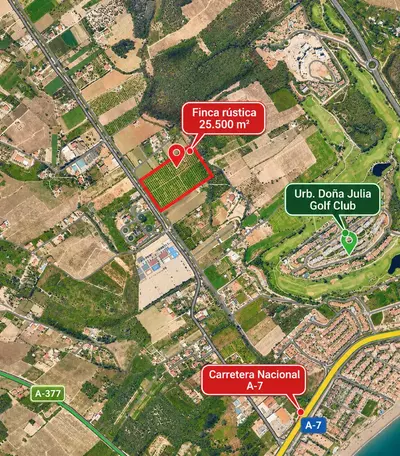 R5472340Land with Ruin in Estepona0 bed, 0 bath€ 799,000
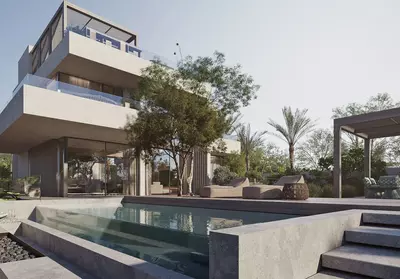 R5530573Land in Cabopino0 bed, 0 bath€ 1,300,000
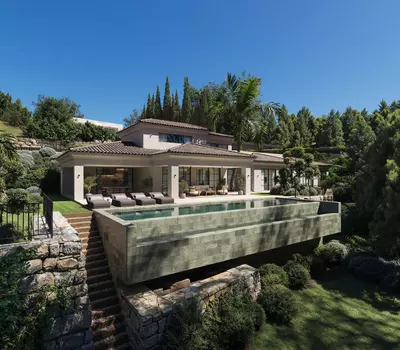 R5492113Land in Benahavís0 bed, 0 bath€ 1,195,000
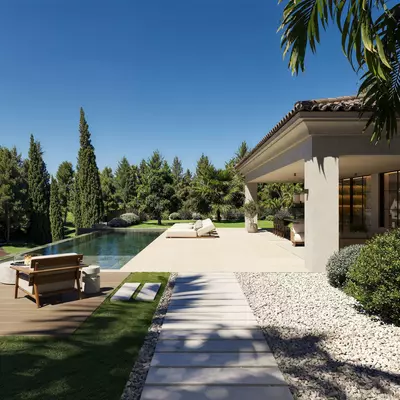 R5492116Land in Benahavís0 bed, 0 bath€ 1,195,000
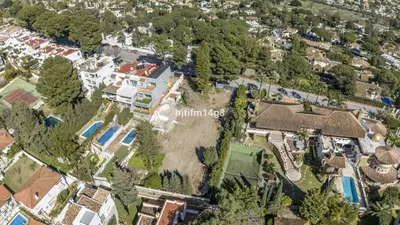 R5535166Land in Nueva Andalucía0 bed, 0 bath€ 975,000
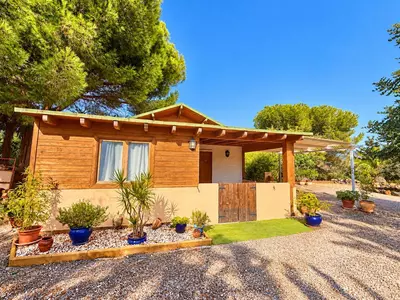 R5523211Land in Estepona0 bed, 0 bath€ 700,000
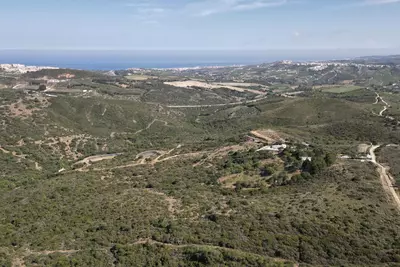 R5524597Land in Casares0 bed, 0 bath€ 1,448,000
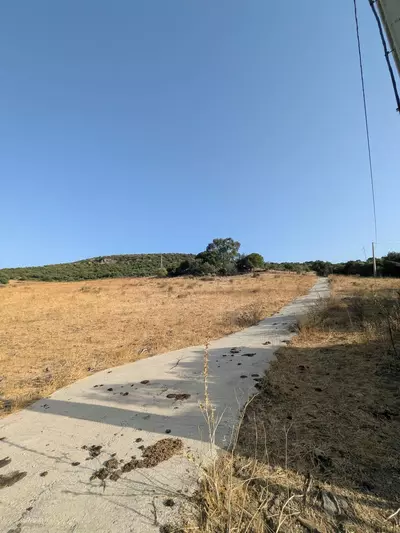 R5524651Land in Casares0 bed, 0 bath€ 796,000
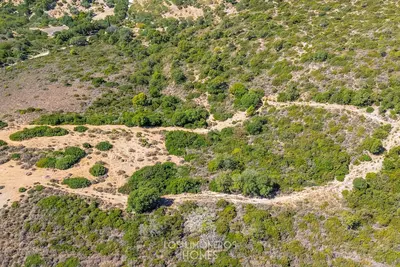 R5495377Land in Casares0 bed, 0 bath€ 95,000
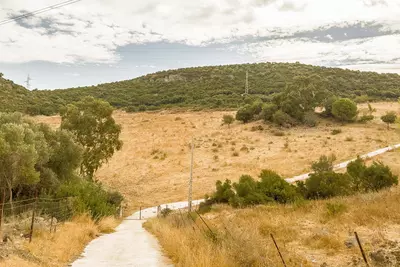 R5483626Land with Ruin in Casares0 bed, 0 bath€ 750,000
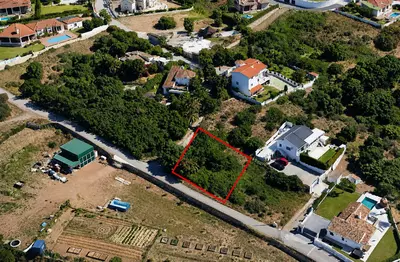 R5400625Land in Estepona0 bed, 0 bath€ 105,000
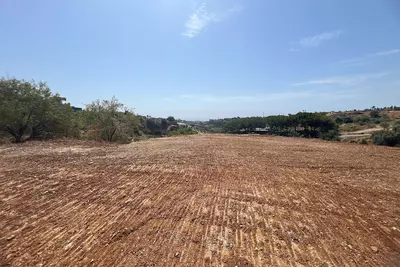 R4329190Land in Estepona0 bed, 0 bath€ 109,000
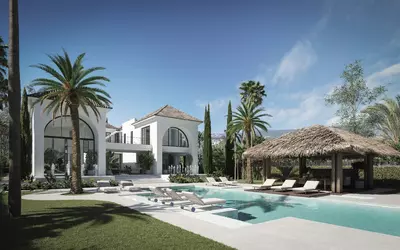 R5348317Land in Nueva Andalucía6 bed, 7 bath€ 2,975,000
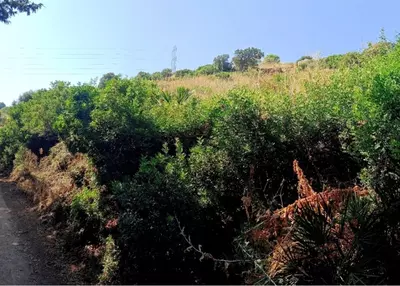 R5132617Land in Estepona0 bed, 0 bath€ 329,999
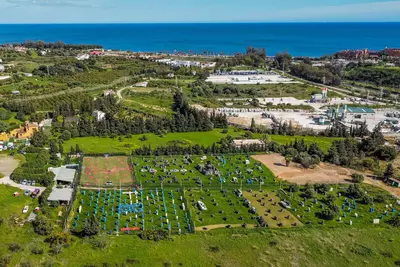 R4689625Land in El Padrón0 bed, 0 bath€ 1,950,000
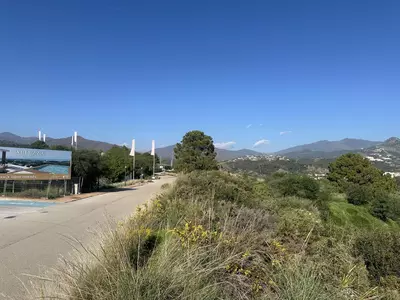 R4829902Land in Benahavís0 bed, 0 bath€ 330,000
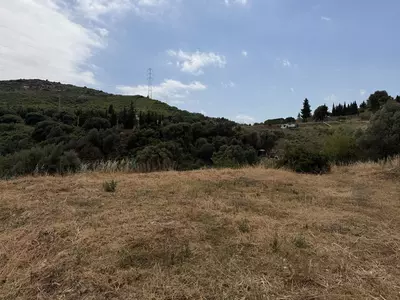 R5412475Land in Guadalobón0 bed, 0 bath€ 170,000
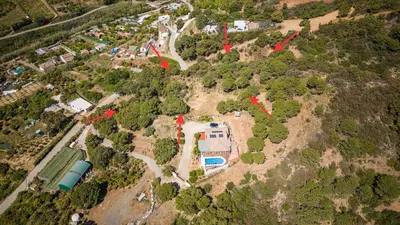 R5390626Land in Estepona0 bed, 0 bath€ 175,000
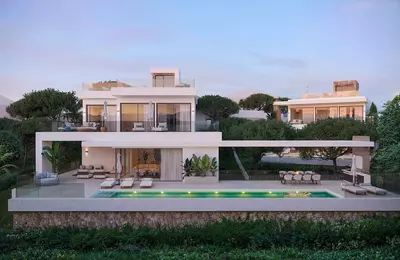 R5492182Land in El Rosario0 bed, 0 bath€ 670,000
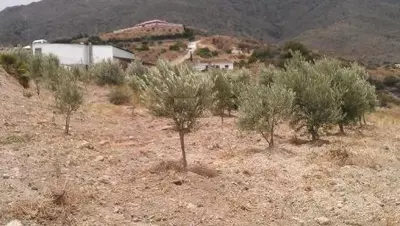 R2983151Land in Estepona0 bed, 0 bath€ 895,000
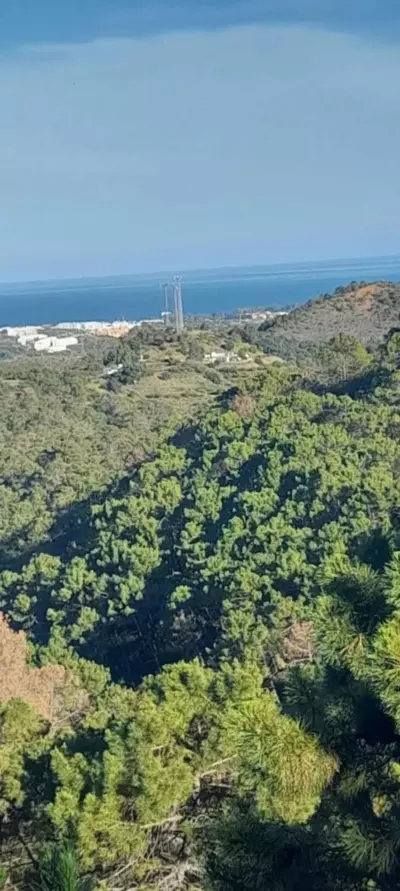 R4821577Land in Selwo0 bed, 0 bath€ 180,000
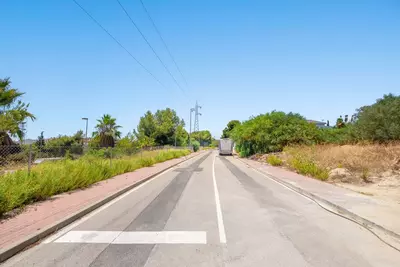 R5144776Land in Marbella0 bed, 0 bath€ 895,000
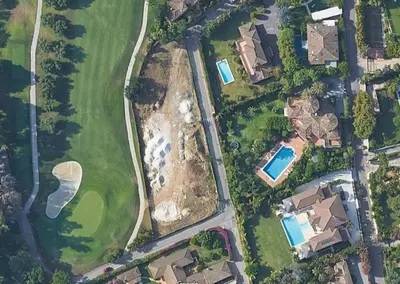 R5492743Land in Guadalmina Baja0 bed, 0 bath€ 3,000,000
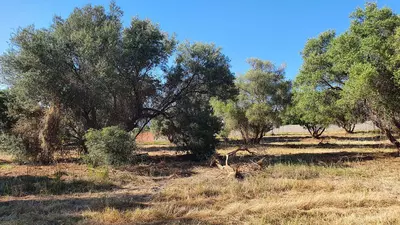 R4074304Land in San Pedro de Alcántara0 bed, 0 bath€ 3,060,000
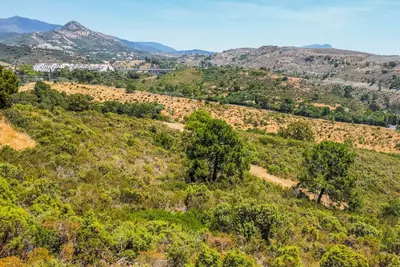 R4406296Land in Benahavís0 bed, 0 bath€ 205,000
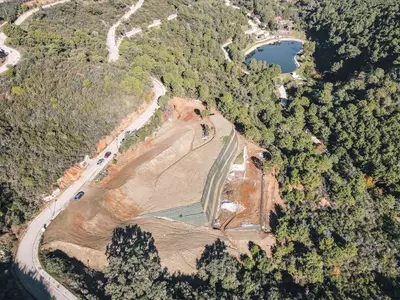 R4300495Land in Benahavís0 bed, 0 bath€ 1,150,000
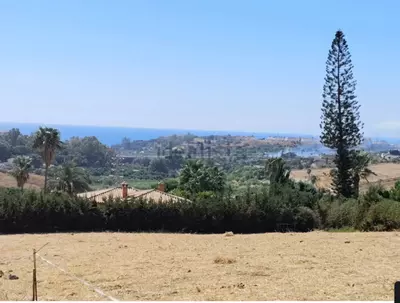 R5120785Land in Estepona0 bed, 0 bath€ 480,000
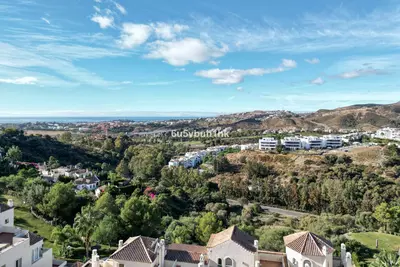 R4855243Land in Puerto del Almendro0 bed, 0 bath€ 795,000
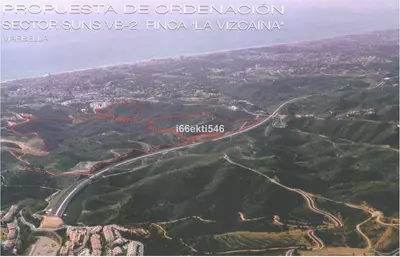 R4360702Land in Las Chapas0 bed, 0 bath€ 2,145,800
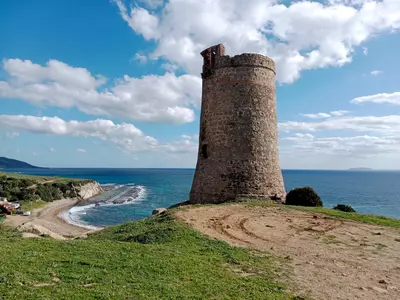 R4909462Land with Ruin in Manilva0 bed, 0 bath€ 600,000
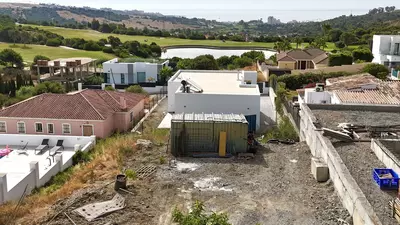 R5026498Land in Estepona0 bed, 0 bath€ 348,000
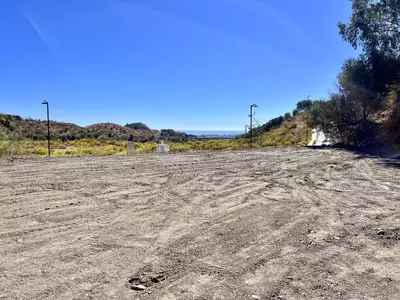 R5379391Land in Benahavís0 bed, 0 bath€ 690,000
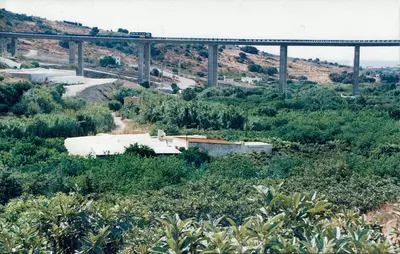 R3255148Land in Guadalobón0 bed, 0 bath€ 1,500,000
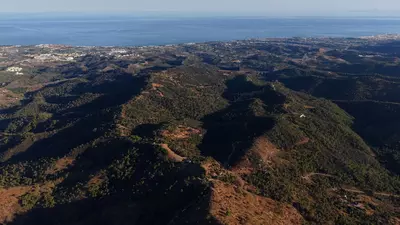 R5292049Land with Ruin in Estepona0 bed, 0 bath€ 7,500,000
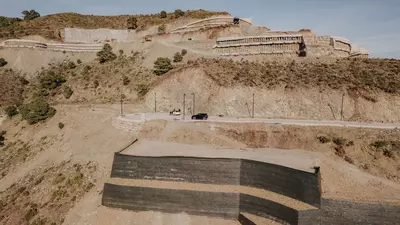 R4978846Land in Benahavís0 bed, 0 bath€ 1,180,000
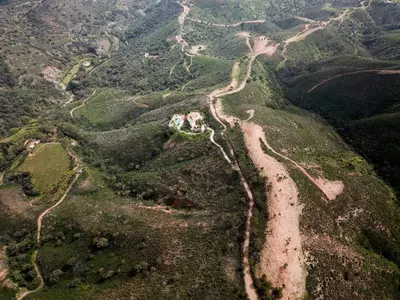 R4981426Land in Altos de Estepona0 bed, 0 bath€ 1,500,000
Classification prices land for sale in Estepona, and hectares do not
Counted every morning from our own listings. With parcels this varied a rate per metre would look precise and mean nothing, so we publish none. Urban, developable or rustic settles the figure before the size does.
The finished figure is the one that travels
What the tables settle is the built end of the market, the end a rural figure is read against. Houses in Estepona run at 4,470 € per built metre, and rural ground never approaches a built rate.
That distance is the point. The gap between a built metre and a rustic hectare is the price of permission, and it is the steadiest relationship in this market because it depends on a plan.
District rows describe houses, not fields
These rows price finished houses by district and across the coast, so they place a valley rather than value it. A district with a handful of listings carries little weight.
By municipality: land in Marbella and land in Benahavís. By use: residential plots, commercial plots and the whole category under plots.
| Area | Typical | Range | Listings |
|---|---|---|---|
| Atalaya | 5,145 € | 4,029 – 6,191 € | 38 |
| El Paraíso | 4,747 € | 3,727 – 6,184 € | 47 |
| Estepona | 4,350 € | 3,391 – 6,055 € | 292 |
| Cancelada | 3,813 € | 2,924 – 4,945 € | 21 |
| Area | Typical | Range | Listings |
|---|---|---|---|
| Nueva Andalucía | 6,567 € | 4,951 – 9,372 € | 219 |
| San Pedro de Alcántara | 6,200 € | 4,494 – 7,727 € | 99 |
| Benahavís | 5,666 € | 4,140 – 8,000 € | 143 |
| Marbella | 5,247 € | 4,047 – 7,658 € | 287 |
| Estepona | 4,470 € | 3,498 – 5,885 € | 432 |
| Casares | 3,926 € | 2,653 – 5,966 € | 54 |
| Manilva | 3,812 € | 2,537 – 4,682 € | 42 |
Asking prices for finished houses in November 2026, not for rural ground. Districts with fewer than ten comparable listings are left out, and the rates show how far a built metre sits from a hectare of countryside.
Land for sale in Estepona is ground without a building right
This is ground rather than property. Across the five municipalities we cover there are 75 parcels; € 895,000 is the middle figure, € 95,000 and € 23,000,000 the two ends, and 61,785 square metres the average holding. They are measured in hectares rather than in metres, and what they are worth has little to do with how large they are.
Classification is one line in a file and it decides everything
Spanish planning sorts ground into three states and the line between them is administrative rather than visible. Urban ground is serviced and ready; developable ground is earmarked for a process that has not run; rustic ground is countryside. Two fields that look alike can be two different purchases.
Rustic land in Estepona stays countryside, whatever stands beside it
Building a dwelling on rustic ground in Andalucía is tightly restricted, normally needs a substantial minimum area and in most cases a genuine agricultural justification. A finished house on the next hill proves only that somebody once held different paper. A neighbour's house is not a precedent, and the rule is the same whatever the view from the gate.
It is the most expensive misunderstanding on this coast and it is made every year. The parcels here are honest about what they are: grazing, grove, woodland and hillside, bought for what they already carry. Rustic ground is worth what it grows, not what it might hold.
Developable is a plan, not a road
Ground earmarked for future development is the category that catches experienced buyers. The earmarking is real, and the roads, the drainage and the legal steps behind it are still ahead, paid for by whoever owns the parcel when they happen. An earmark is a direction of travel, not a date.
The timetable belongs to a municipal plan rather than to an owner's intentions, and plans on this coast move in decades. Parcels in this state have been waiting through two property cycles without changing at all. Developable ground can stay exactly as it is for a generation.
A ruin is evidence of the past, not permission for the future
Old walls in a field are a common sight in the hinterland and they change the conversation without changing the rule. A ruin says somebody once built there; what may replace it, if anything, is written in the current plan and nowhere else. Standing walls lift the asking figure either way.
Why the metre price of land for sale in Estepona compares nothing
On an apartment list a rate per square metre is a rough but honest comparison. On rural ground it is close to meaningless, because the two things it divides are unrelated to each other. Area is measured and value is permitted, and those are not the same quantity.
The same money buys a garden or hectares of land outside Estepona
One figure here can buy a few hundred metres beside an urbanisation or several hectares twenty minutes inland, and both can be sensible purchases. The surface says nothing about which is which. Hectares are the cheapest thing ground can offer, and they are what the metre rate rewards most.
What the ground may be used for carries the price
Grazing, planting, forestry, a stable, a store, a borehole: the permitted uses of rustic ground are narrower than people expect and they vary by the type of land. The permitted use is the whole of a rural valuation, which is why two neighbouring hectares can be a long way apart in price.
That also explains the parcels that look mispriced from a screen. A hectare with a registered water right, a track of its own and a workable terrace is a different asset from the scrub above it. Useable ground and empty ground are priced apart.
Distance to a supply point is the hidden half of the figure
Ground some way from water, drainage or power is ground where bringing any of them is charged by the length of the trench. The nearest supply point is part of what a parcel costs, and on a remote holding that distance can matter more to the sum than the asking price does.
It is also why two parcels on one track can differ so much. The holding at the top of a valley sits several hundred metres further from the main than the one at the bottom, and the trench runs between them. The parcel nearer the supply is the cheaper one to use.
An olive terrace and a scrub slope are not the same hectare
Old terracing tells you the ground has been worked and can be worked again. A line of mature cork oak is an asset and a restriction at once, because protected trees cannot simply be cleared. Worked ground keeps its value better than wild ground, and the difference is visible from the parcel rather than from a map.



Where the land for sale in Estepona lies
Rural ground on this coast sits behind the built-up strip, in four quite different landscapes. They are not alternatives to one another: the hinterland, the western farmland, the mountains and the surviving hillside east of here attract different buyers entirely. The landscape decides what the ground can be used for.
The Estepona hinterland climbs into cork oak and old terraces
Behind the town the ground rises through valleys towards the Sierra Bermeja, with cork oak, pine and old terraces of olives and almonds. Parcels are large and the prices per hectare are moderate. Twenty minutes from a working town there is nobody in sight, which is the particular quality of this stretch.
The valleys are also where the oldest holdings on this stretch sit, and their titles are the ones most often assembled from several older parcels. The ground has been worked, divided and inherited for generations. An old valley holding carries an old paper trail.
Casares and Manilva hold the open farmland
The western municipalities carry the broadest ground on this coast, in open country between the sea and the mountains, and in Manilva the moscatel terraces that make that municipality unlike the rest of the province. Hectares are where they are cheapest and widest out here, and the holdings are frequently still farmed.
The grape terraces are worth understanding on their own terms, because they are a working agricultural landscape rather than a view. Vines need a slope, a soil and an aspect, and the ground that suits them has been laid out for it over centuries. A moscatel terrace is farmland first and scenery second.
Benahavís is mountain and mostly protected
The usable slopes above the valley were absorbed into gated estates and golf courses long ago, and what remains is steep, wooded and largely protected. What comes up is either a serviced parcel inside an estate or a hillside that will stay as it is. See land in Benahavís. Protected mountain is permanent, which is its own kind of value.
Marbella keeps hillside behind the built-up coast
Very little open ground survives in that municipality, and what does is either infill inside the built-up area at serious figures or rough hillside behind it. Scarcity rather than quality sets the figures east of here, because a developable parcel in that municipality is worth a great deal. See land in Marbella.


Water is what separates usable land for sale in Estepona from a view
On this coast the rain falls in winter and the summers run dry from June to September. Everything a rural parcel can be used for depends on whether water reaches it, and that question is settled by registration rather than by geography. Water is the difference between ground you can use and ground you can look at.
A registered well is worth more than the hectares around it
A borehole or a well on a parcel is only an asset if it is registered with the river basin authority, because an unregistered one is a liability in waiting. A registered water right travels with the ground, and it is frequently the most valuable thing a rural holding carries.
Registration also settles how much may be drawn. A right is granted for a volume rather than for a hole in the ground, and the volume is what makes a grove, a pool or a herd possible. A water right is measured in cubic metres, not in depth.
August is the month that tests a borehole
Any well yields in March. What matters is what it yields at the end of a dry summer, when the ground has had no rain for three months and every holding in the valley is drawing on the same water. A well is judged at the end of August, not in spring.
Irrigation is why the terraces sit where they do
The old agricultural landscape here was laid out around water: terraces where it could be held, groves where it could be led, grazing where it could not. The planting on a hillside records where the water goes, which is why an old grove tells you more about a parcel than a soil report would.
It follows that a planted holding is a standing commitment rather than a finished thing. Groves need water through the summer, and an irrigation system needs somebody to run it. A planted hectare is a standing consumption of water, and that is part of what owning one means here.
Mains water and a well answer different questions
A connection to a public supply is drinkable, metered and limited by what the network can deliver uphill. A well is yours, unmetered within its registered volume and dependent on the aquifer. Neither answer makes the other unnecessary on a holding that is planted as well as lived on.

Access and boundaries are the old questions on land for sale in Estepona
Rural titles on this coast are old, and the two things that most often turn out to be uncertain are how the ground is reached and where it ends. Neither is visible from a photograph and both are matters of record. On rural ground the paperwork is older than the fences.
A track across a neighbour's ground is a right, not a road
Many holdings in the hinterland are reached over somebody else's ground, and the question is whether that right is recorded at the land registry or merely exercised for forty years. An unrecorded right of way is the commonest defect in rural ground, and it is the hardest to repair once the money has moved.
The practical consequence is that access shapes a rural figure more than the distance to town does. A holding on a public road is a different asset from an identical one reached over two other properties. A public road is worth a share of the asking figure.
Registered area, cadastral area and the ground you can walk
On old titles the registry, the cadastre and the perimeter you can pace frequently disagree with one another. On a few hundred metres that is a rounding error; across several hectares it is a serious sum. Three records of one parcel can give three areas.
Old holdings were assembled and cannot always be taken apart
A good deal of rural ground here is a collection of older titles that were brought together over generations. Agricultural land cannot be split below a minimum unit for its type, so a holding that was assembled is not necessarily divisible again. Ground joins more easily than it separates.
It matters because dividing a holding is the most common plan a buyer arrives with. The minimum unit is set by the type of land rather than by the owner's intentions, and it applies regardless of what the parcel is worth. A minimum agricultural unit is a floor nobody can go under.
A fence is a habit, not a boundary
Fences in the hinterland follow the ground, the grazing and whatever was convenient when they went up, which is rarely the line on the plan. Walking a perimeter with somebody who knows the valley tells you more than either document does. Where the fence runs and where the title runs are two lines.

Land for sale on the Costa del Sol costs something to own
Rural ground is cheap to buy by the standards of everything else on this coast, and it is not free to hold. The parcels that have given their owners trouble here are almost always the ones nobody planned to look after. Ground that is not managed manages itself badly.
Unmanaged ground turns to scrub in two seasons
A terrace that is not cut, a grove that is not pruned and a track that is not cleared disappear quickly in this climate, because the growing season is long and the winter rain is generous. Two summers of neglect undo a decade of planting.
Fire clearance is the law where a parcel meets housing
Where rural ground adjoins houses, the undergrowth has to be kept back, and in a landscape of pine and dry summers that obligation is taken seriously by everybody who lives in it. Clearing the undergrowth is an annual job, not a one-off, and it is part of what holding ground here involves.
The same obligation is why the edges of the urbanisations look the way they do, with a cleared strip between the last houses and the scrub above them. It is cut back every year before the summer. The gap between houses and hillside is deliberate.
Cork and olives are what land around Estepona does when nobody builds
The traditional uses are still the practical ones. Cork oak is harvested on a long cycle, olives and almonds on a yearly one, and grazing keeps the ground open with the least intervention of the three. A worked hectare looks after itself better than an empty one.
Those uses are also what the landscape behind this coast is made of, which is why it still looks the way it does. Where the old cycles stopped, the scrub came back and the terraces fell in. The hinterland is a worked landscape, not a wild one.
A parcel produces nothing and still asks for attention
Ground held purely as ground yields no rent and no use, while the fencing, the clearing, the track and the water still need somebody. A view costs the same to maintain as a grove, which is worth knowing before a holding is bought for the outlook alone. Ground let for grazing at least has somebody walking it, and that is worth more than the rent on it.



Who buys land for sale in Estepona, and why
Rural ground attracts a small and very specific set of buyers, and the reasons have almost nothing in common with each other. The quiet ones account for most of what moves. Rural ground rarely changes hands for the reason a portal would guess.
The neighbour, who is the obvious buyer
Most rural parcels here are bought by whoever owns the ground beside them: to enlarge a garden, extend a grove, straighten a boundary or put a stable at the bottom of the holding. The adjoining owner has the strongest reason to pay, and parcels like these often never reach a website.
It is the quietest part of this market and the reason a good holding can be gone before it is advertised. The seller mentions it to the family on the next parcel, and the matter is settled without an agent in the room. The best rural ground is sold across a fence.
The owner who buys his own horizon
The anxiety that never quite goes away here is what somebody else may build in front of you, and owning that ground settles it for good. An outlook that cannot be built on carries part of the value of the house, which is why this reason survives every market cycle.
The household that wants a grove rather than a garden
Some buyers are not after a house with ground but ground with a house on it, and that is a different list: a finca is the country version of a home here, on olive and vine ground inland. A grove is a garden somebody else planted a century ago.
The long hold, taken with open eyes
Some buyers take the view that ground within reach of this coast is worth owning whatever happens next, and that is a legitimate position held honestly. It means accepting no income, an annual cost and a parcel that may be unchanged in twenty years. A long hold is a decision about the ground, not about the market.
Whichever of the four you are, the serviced categories are the other half of this market: residential plots to build on, commercial plots for business use, and everything together under plots. Our agents here request the classification and the registry plan ahead of any viewing, and the property alarm watches for parcels in a named valley.