The City Council finalizes the opening of a Museum of the Sea that will exhibit one of the best collections in the country on fishing and navigation.
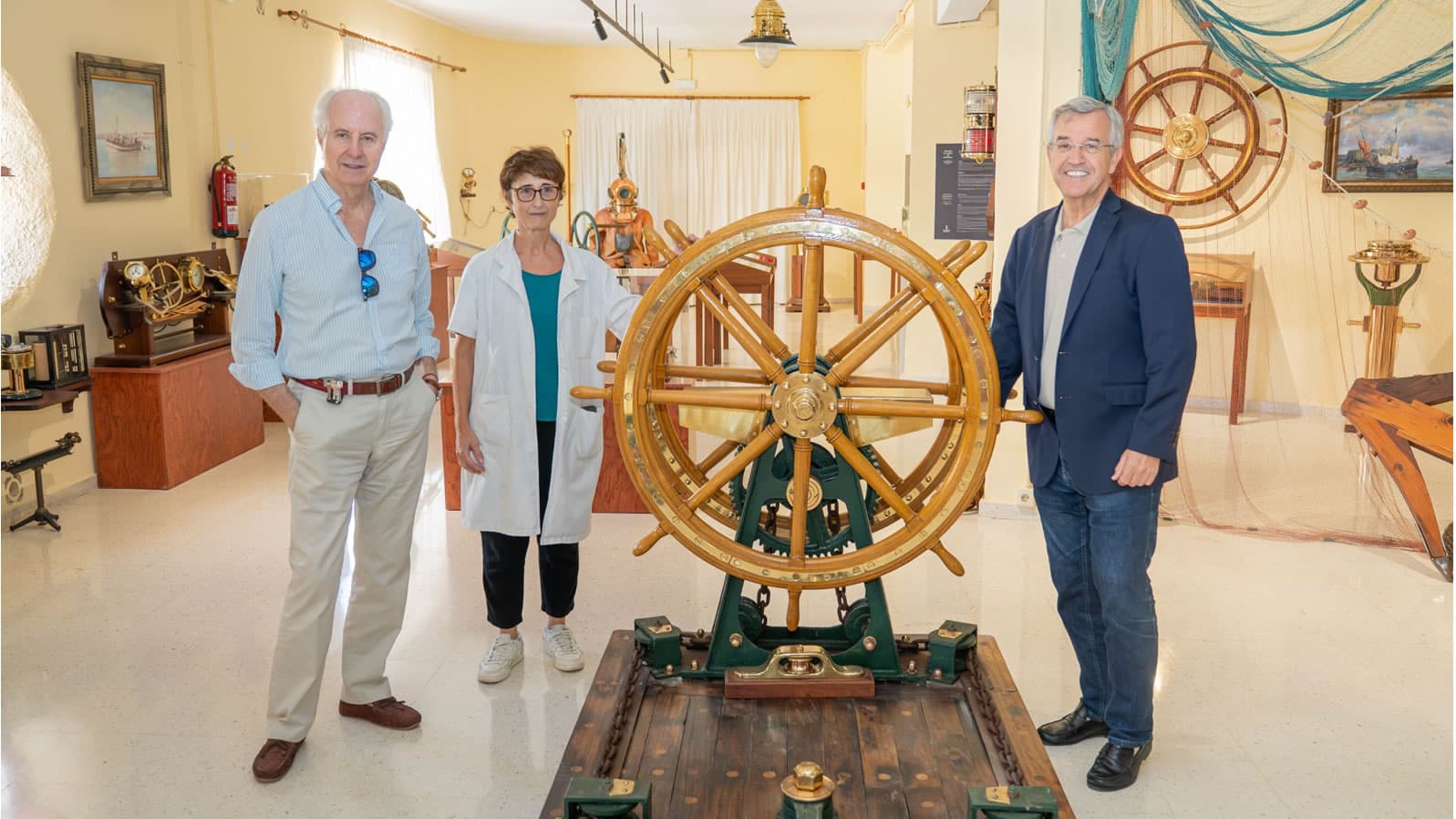
The Miguel López Mateo Collection, one of the most complete in the country in navigation instruments and traditional fishing gear, will backbone the new museum space to be located in the bullring.
The Estepona City Council informs that the city will have a museum dedicated to the sea next November. The Consistory is finalizing the work for the opening of the future Museum of the Sea, a new exhibition space where tribute will be paid to the ancient relationship between humans and the ocean. The museum will house the Miguel López Mateo Collection, the result of a lifetime dedicated to preserving the memory of the trades, techniques and tools that have defined the seafaring culture of the Mediterranean.
Located in the bullring, the museum is born with a clear didactic, informative and emotional vocation: it will not only show visitors how sailing was done, but also why it was done. Each exhibit will tell a story of ingenuity, survival, exploration and tradition.
This new exhibition space will house the Miguel López Mateo collection, which includes hundreds of carefully restored and classified pieces. Visitors will be able to find everything from astronomical navigation instruments to 19th century diving equipment, as well as models, gear, fishing gear and everyday objects from life on board.
Among the most outstanding pieces in the Museum of the Sea are true jewels of naval history, such as a binnacle from 1876 with an original paper Wind Rose, one of the few in the world preserved in optimal conditions for academic study, a telegraph from the late 19th century similar to that of the Titanic and the only known example with inscriptions in Spanish, which makes it a unique object in international naval history, an 18th century graphometer signed by Claud Langlois, the last logbook of the ship ‘Joaquín Mumbrú’ before its sinking in 1917 by the German submarine US3, a direct testimony of merchant shipping during the First World War, and a Spanish nacelle runner, key to the definition of the “knot” as a unit of maritime speed, which represents a milestone in the evolution of modern navigation.
In addition, there are also sextants and astrolabes from the colonial era, used in Atlantic crossings in the 18th century, and a complete set of rigid scales and assisted diving suits, including hand-operated air pumps from the 19th century.
On the other hand, the exhibition also includes interactive sections and educational contents adapted to schools, with special emphasis on traditional navigation, artisanal fishing and maritime trades that have already disappeared.
For the councilman attached to the area of Heritage, Daniel Garcia, the opening of the Museum of the Sea “is one of the great cultural bets of Estepona in recent years. We are not only inaugurating a museum, but we are publicly recognizing the value of a collective history that is part of our identity as a coastal city. The mayor added that “the collection of Miguel López Mateo is not only a sample of objects, but a living testimony of our maritime history. Each piece contains the memory of those who worked at sea, and this museum will be a tool to preserve and transmit that legacy to new generations.”
The Museum of the Sea is conceived as an accessible, inclusive and multidisciplinary space, with activities for schoolchildren, researchers, tourists and families. Throughout the year, the museum will host workshops, conferences, temporary exhibitions and guided tours focused on the maritime history of the Andalusian coast.
Miguel López Mateo
Miguel López Mateo, born in 1939 in the Malaga neighborhood of El Bulto, was a fisherman, diver, sailor and, above all, a passionate collector. Since his childhood, he began to collect objects related to the sea, guided by his fascination for nautical instruments and the oral memory of sailors.
The result is a living collection, testimony to an unwavering commitment to the maritime culture of southern Spain. Its legacy now becomes everyone’s heritage thanks to this museum.
New Apartments
New Houses


Featured Properties

More news
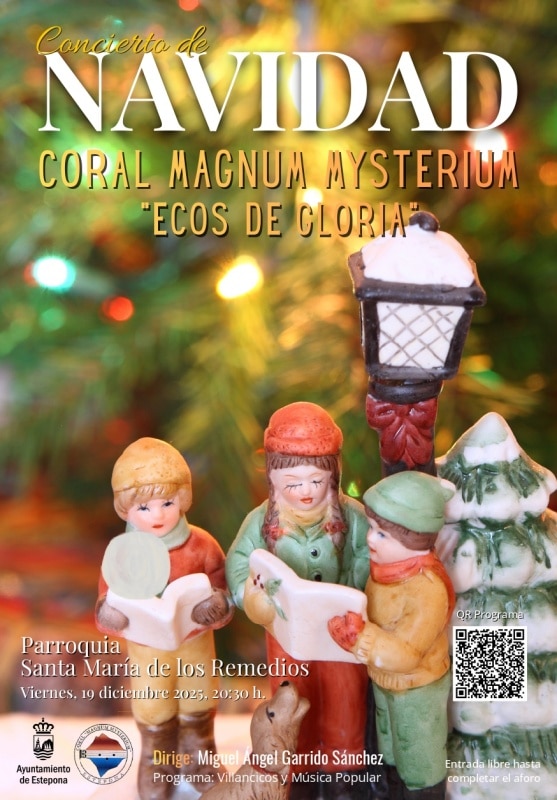
The Magnum Mysterium Choir of Estepona will offer its traditional Extraordinary Christmas Concert this Friday at the Santa María de los Remedios Parish Church.
The concert will start at 8:30 p.m., with free admission until full capacity is reached. The Estepona Town Hall informs that the Magnum Mysterium Choir…The City Council will provide six municipal parks with new, more efficient and sustainable lighting.
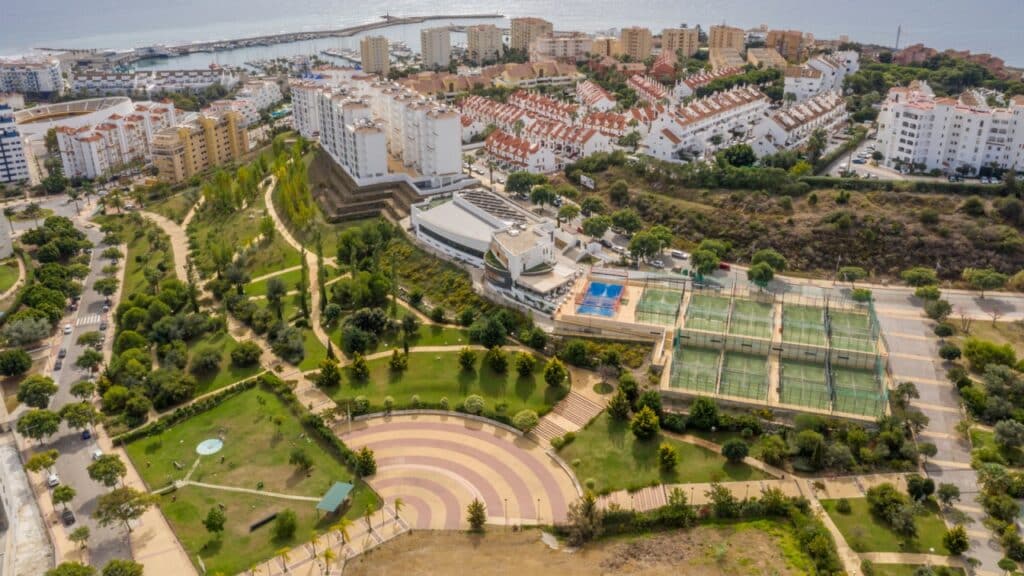
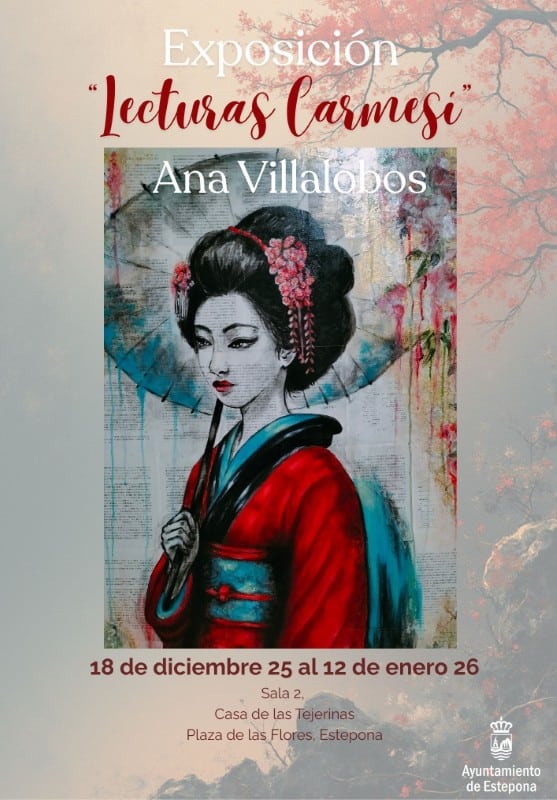
The initiative includes the installation of scenic lighting in the Carmen Thyssen Park to enhance the environment. The Estepona City Council has awarded the contract…The Casa de Las Tejerinas hosts a new exhibition of paintings by the Estepona-based artist from Barcelona, Ana Villalobos.
The pictorial exhibition ‘Crimson Readings’ will remain on display from December 18 to January 12, with free access. The Estepona City Council informs that Room…