The City Council marks the first anniversary of its “zero debt” status with the best economic figures in the city’s history

The City Council has gone from being one of the most indebted municipalities in Spain to becoming a national model of financial stability after paying off, in record time, 300 million euros in inherited debt, thanks to a policy of fiscal responsibility, efficiency, and the optimal use of municipal resources
The city’s financial resources are now being devoted entirely to improving residents’ quality of life through better services and the largest tax cut in Estepona’s history. Estepona residents save more than 7 million euros a year thanks to the significant tax cut implemented after the municipal accounts were balanced.
The Estepona City Council is marking the first anniversary of achieving “zero debt,” following the repayment of the 300 million euros in debt left in 2011 by the administration led by the previous Socialist government, and has reached the best economic figures in the city’s history. Municipal management characterized by responsibility, efficiency, austerity, and the prudent use of public resources enabled the City Council to pay off this massive debt in record time, while simultaneously carrying out the city’s most significant transformation and improvement. In this first year of “zero debt,” the balanced municipal accounts have made possible the largest tax cut in Estepona’s history, as well as providing greater support for families’ needs and for the city’s maintenance and upkeep.
The City Council has gone from being one of the most indebted in Spain—with a debt of 4,600 euros per resident—to becoming a national benchmark for financial health. This year was the first in which it was not necessary to allocate an average of 60,000 euros per day to paying off that inherited debt; instead, these significant public resources were directed toward public services, investments, and improving residents’ quality of life. “One year after eliminating that economic burden—the result of mismanagement by previous administrations—the city looks to the future with a healthy economy, lower taxes, and greater capacity to improve the city and the lives of its residents,” said Mayor José María García Urbano.
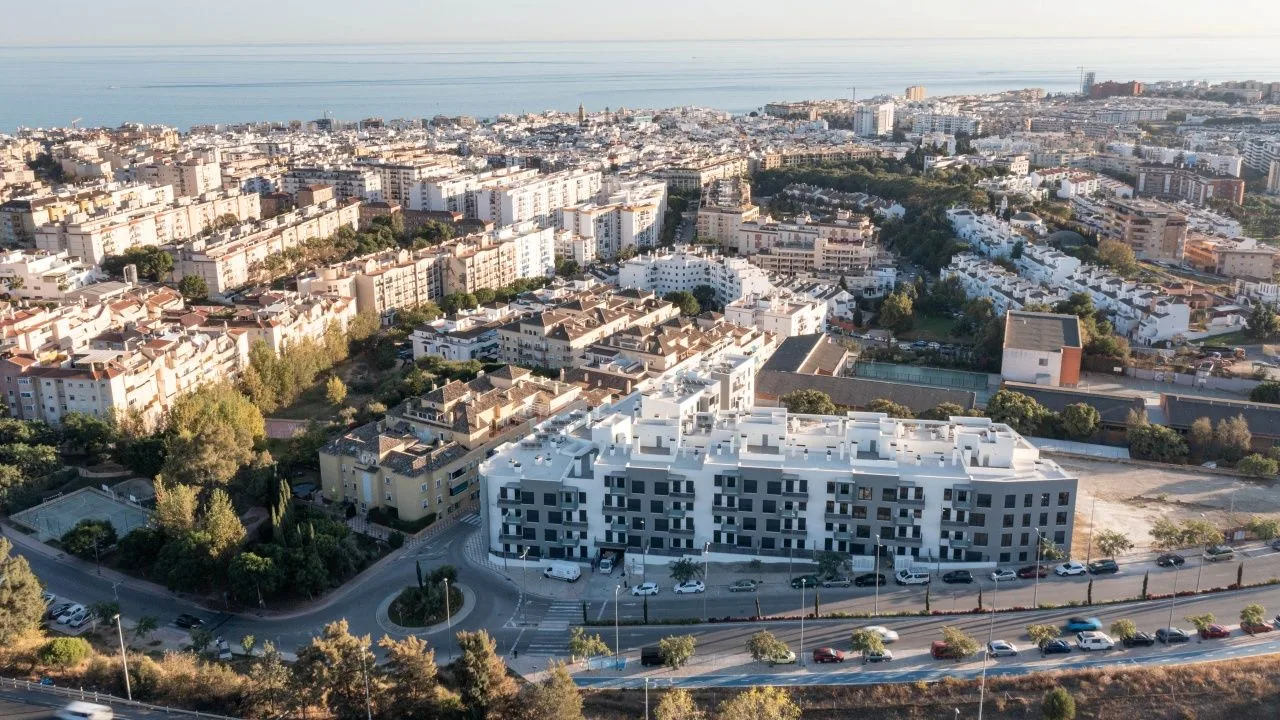
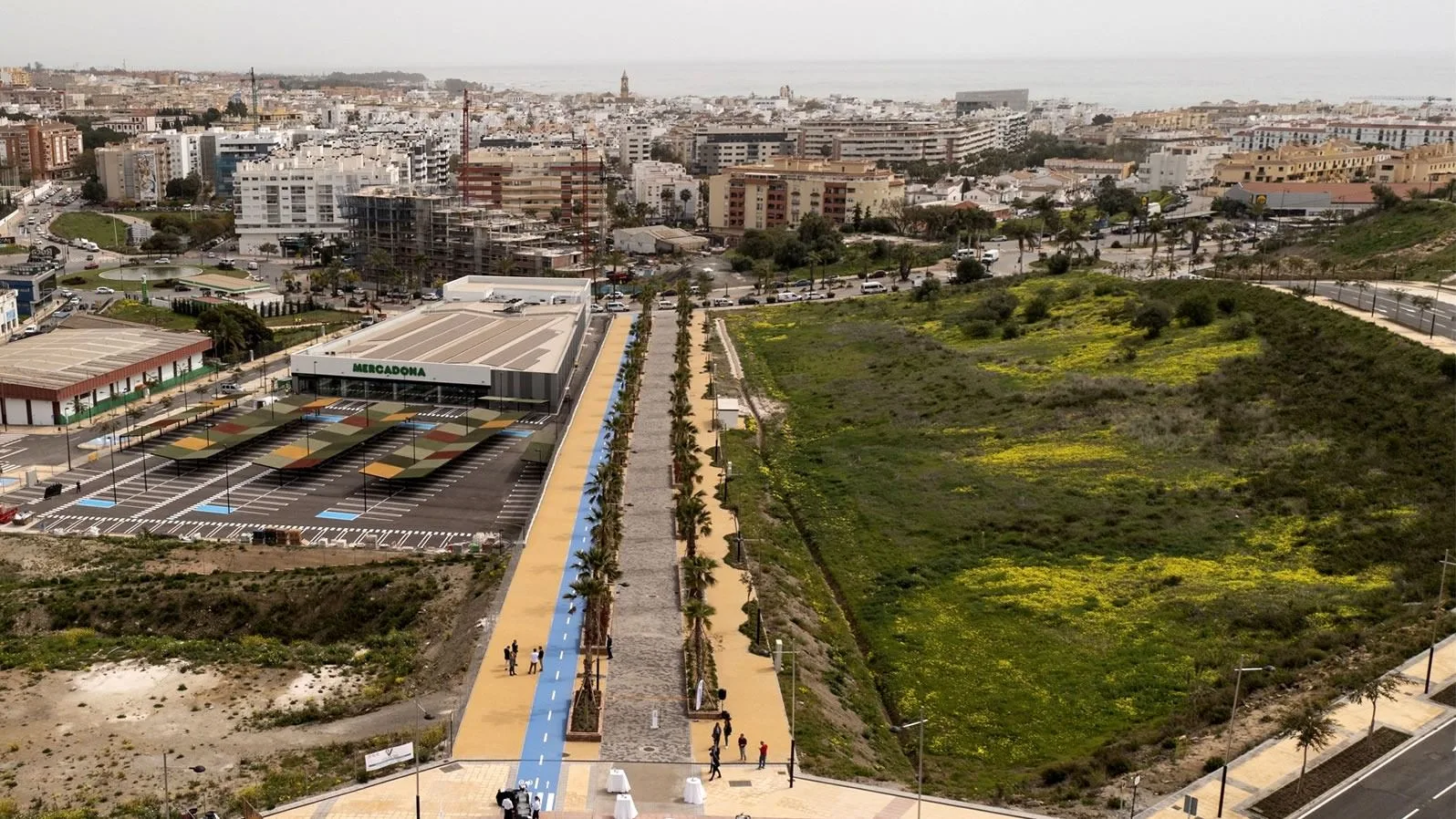
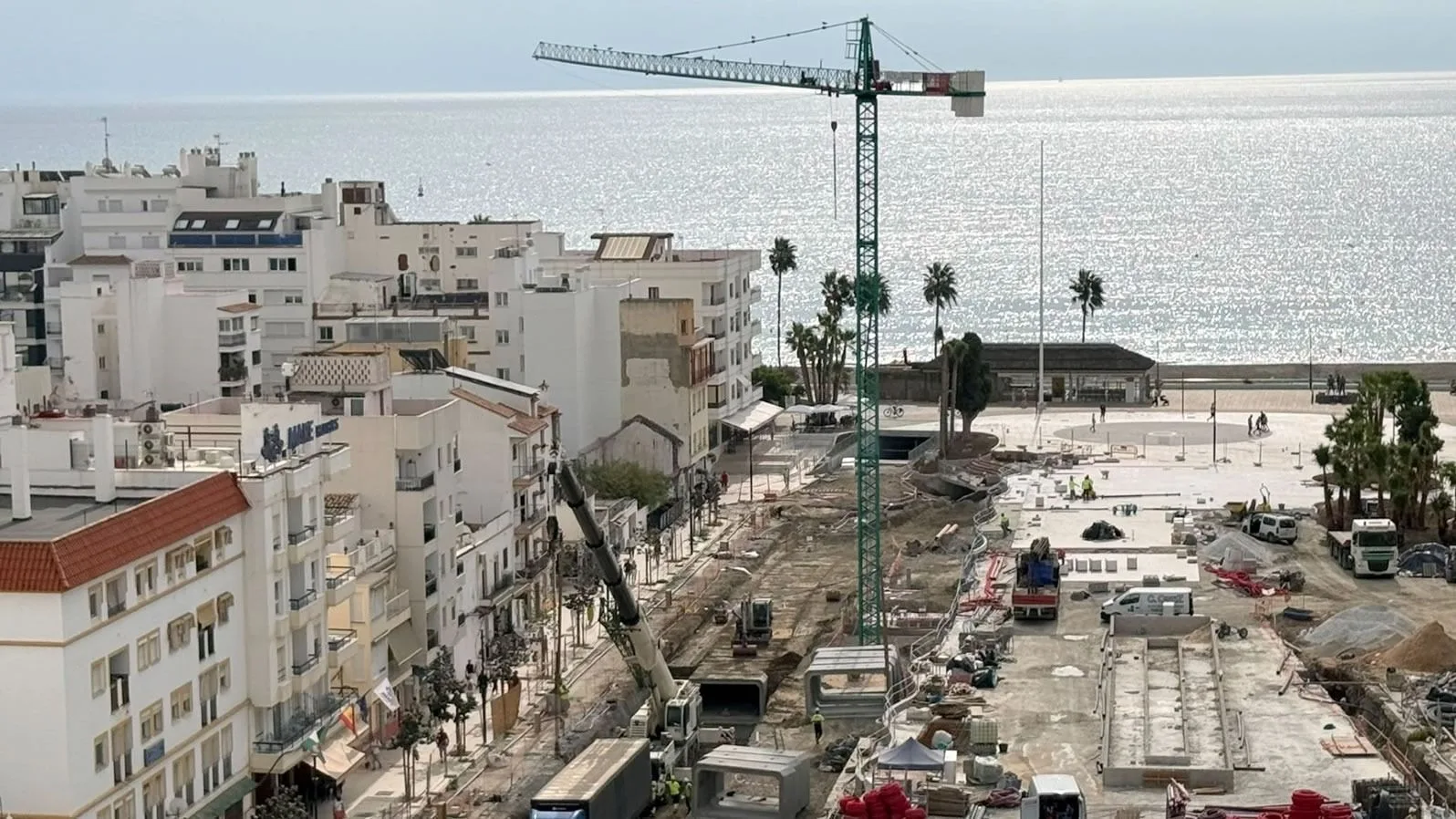
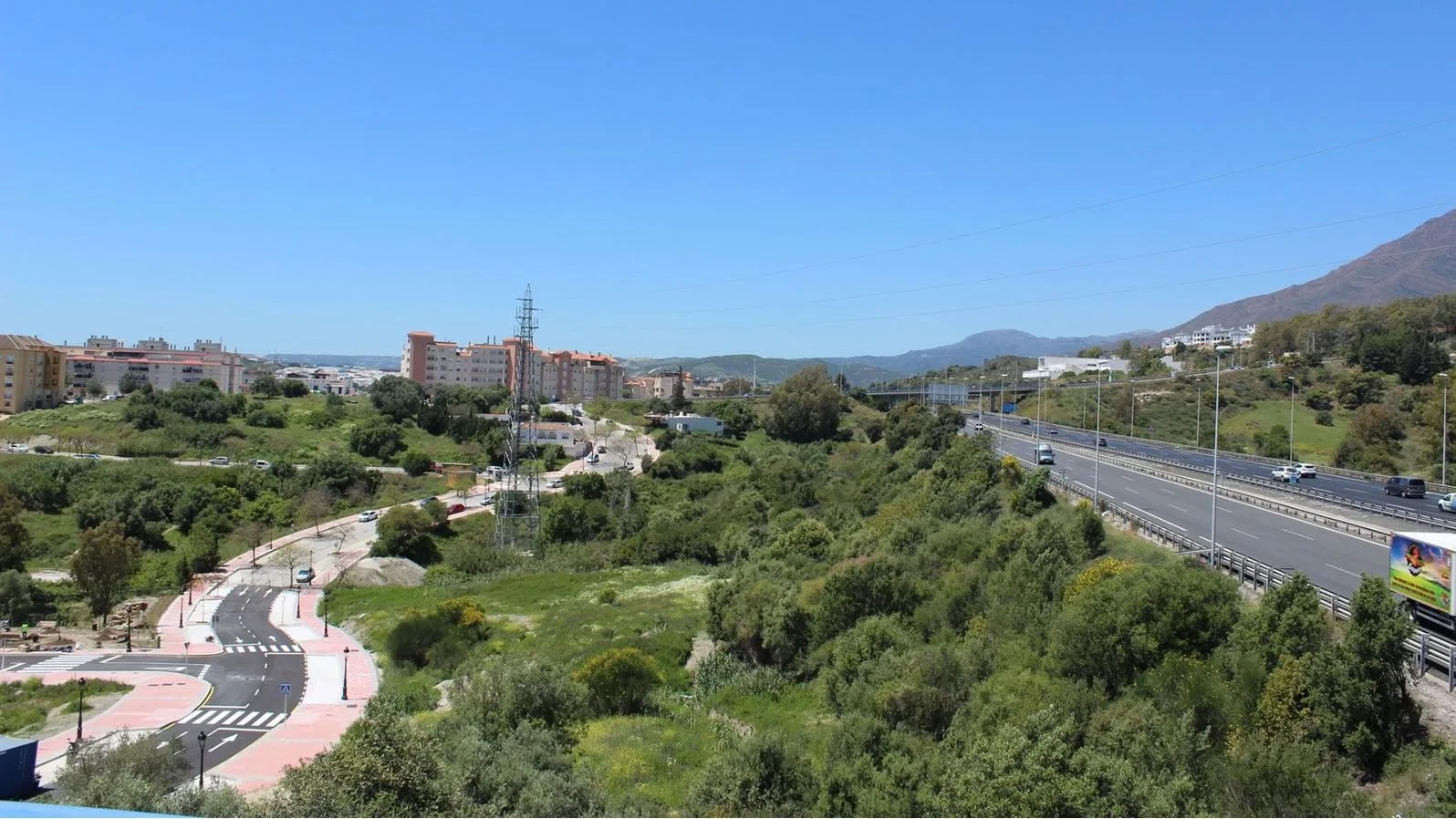
Specifically, Estepona has allocated a record amount this year for investments aimed at improving the daily lives of its residents and the city’s public spaces, totaling 76.3 million euros following the latest budget amendments approved thanks to the financial stability of the municipal coffers. This will allow the city to complete ongoing projects, launch new ones, and strengthen essential tasks such as the upkeep and maintenance of the city.
The repayment of the debt has also made it possible to continue reducing taxes for Estepona residents, a reduction that will be maintained in the coming fiscal year. Specifically, the City Council is allocating more than 7 million euros this year to maintain this tax reduction for Estepona residents through the Property Tax (IBI) and the garbage collection fee. Thus, 6,624,365.11 euros are being allocated to reduce the IBI, and another 143,804.28 euros to waive the garbage collection fee, representing significant savings for Estepona residents.
García Urbano emphasized that these measures continue to demonstrate fiscal support for all families in Estepona—and especially for the most vulnerable groups—upholding the commitment made in 2011 to refrain from raising taxes on citizens and to provide assistance to those who need it most.
It is worth noting that, since 2012, property tax bills have seen an average reduction of 50%, thanks to the measures implemented by the City Council since then. In addition to this—among other initiatives—there is a 3% reduction—applicable to both the IBI and the Business Activities Tax (IAE), as well as the garbage collection fee—for those who have set up direct debit for their bill and pay it within the voluntary payment period.
Surplus of Over 40 Million
These positive economic indicators are also reflected in the final settlement of last year’s budget, which closed with a surplus of 40.29 million euros. This positive settlement has allowed the City Council to continue with construction projects already underway, improvements to neighborhoods and public parks, an energy efficiency plan, the completion of the coastal corridor, and the expansion of the underground parking network at a cost of 1 euro per day for users, among other initiatives.
Regarding the municipal treasury’s situation, the balance in bank accounts as of December 31, 2025, is 90,114,690.19 euros.
At the same time, it should be noted that the City Council’s investment efforts in the city have had a significant impact on the local economy and job creation. As a result, Estepona remains at the top of the list of municipalities with the lowest unemployment rates in Andalusia, with the rate standing at less than 9%. The trend in this indicator shows a significant decline in unemployment in the city since 2011, when the unemployment rate reached a record high of 28.45%.