The City Council is putting the finishing touches on the renovation of the Museo de Mar, which will feature new exhibition spaces, audiovisual content, and a recreation of a seagrass meadow
The project, funded by the European Maritime, Fisheries, and Aquaculture Fund and the Regional Government of Andalusia, will enhance the exhibition dedicated to the city’s close historical relationship with the sea
The Estepona City Council reports that it is putting the finishing touches on the renovation and improvement work at the Museo del Mar, one of the municipal museums located on the grounds of the city’s bullring.
The project has involved a comprehensive renovation of this exhibition space, with the addition of new elements that will enhance the presentation and dissemination of content related to Estepona’s seafaring tradition and its close historical ties to the sea, according to Daniel García Ramos, the councilmember in charge of Historical Heritage.
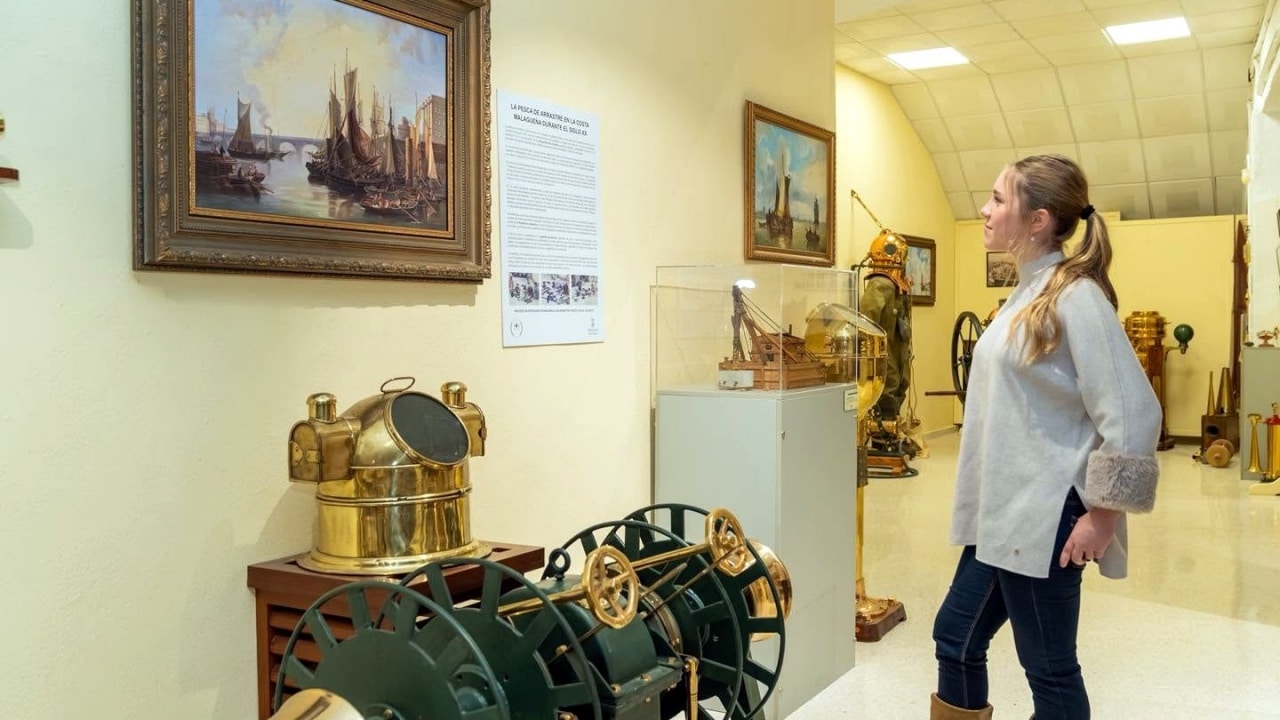
Among the main new features is the installation of three large display cases that will house part of the López Mateo collection, considered one of the finest in Spain in terms of navigation and fishing instruments. In addition, the larger pieces have been relocated to a more spacious area, which will improve their display and allow visitors to enjoy them more fully.
In addition, several large-format panels have been installed with information on various aspects of Estepona’s relationship with the sea. This new content addresses topics such as fishing, marine conservation, shipbuilding, the canning industry, and seafaring traditions, among other subjects.
The renovation also incorporates new audiovisual resources. Specifically, three productions have been created that can be viewed on a monitor installed in the exhibition hall itself; they are dedicated to three key aspects of the city’s maritime history and heritage: the Alboran Sea and its biodiversity, shipbuilding, and the tradition of the Virgin of Carmen.
The display cases and panels were manufactured and installed by the company Redes Descanso S.L., while the graphic and audiovisual content was produced by the local company Acaire, S.C.A.
Another highlight of the Sea Museum’s renovation project is the creation of an immersive room, featuring screens and interactive resources, that will recreate a Posidonia seagrass meadow.
The purpose of this space is to raise visitors’ awareness about the conservation of the marine environment along the coast of Estepona. Specifically, our coastline is home to one of the four Posidonia populations in the province of Málaga, whose conservation and recovery are essential to the fight against climate change in the Mediterranean.
The recreation of a Posidonia meadow at the Ethnographic Museum will offer a unique experience for visitors, helping them understand the importance of its conservation for maintaining biodiversity in the Mediterranean, as García Ramos noted.
The project, representing an investment of 65,347.87 euros, was presented by the City Council and has been funded by the European Union’s European Maritime, Fisheries, and Aquaculture Fund (EMFAF), which contributed 70% of the investment, while the remaining 30% was funded by the Department of Agriculture, Fisheries, Water, and Rural Development of the Regional Government of Andalusia.
With this initiative, the City Council continues to improve the city’s cultural and museum spaces and to highlight Estepona’s historical, cultural, and ethnographic heritage—in this case, through the museum dedicated to preserving and promoting the seafaring identity that has been an integral part of the town’s history.
In November 2025, the Estepona City Council inaugurated the Museum of the Sea to pay tribute to the millennia-old relationship between humankind and the ocean. The museum houses the Miguel López Mateo Collection, the result of a lifetime dedicated to preserving the memory of the trades, techniques, and tools that have defined the seafaring culture of the Mediterranean.
The museum was created with a clear educational, informative, and emotional purpose: it not only shows visitors how people sailed, but also why they did so. Each object on display tells a story of ingenuity, survival, exploration, and tradition.
This new exhibition space will house the collection of Málaga native Miguel López Mateo—a fisherman, diver, sailor, and collector—which includes hundreds of carefully restored and cataloged pieces. Visitors will find everything from astronomical navigation instruments to 19th-century diving equipment, as well as models, rigging, fishing gear, and everyday objects from life aboard a ship.
New Apartments

New Houses



Featured Properties
More news
Manuel Jabois, Violeta Gil, Alberto Sellés, Jacobo Bergareche, and Enrique Juncosa headline the fall program at the Library of Contemporary Cultures
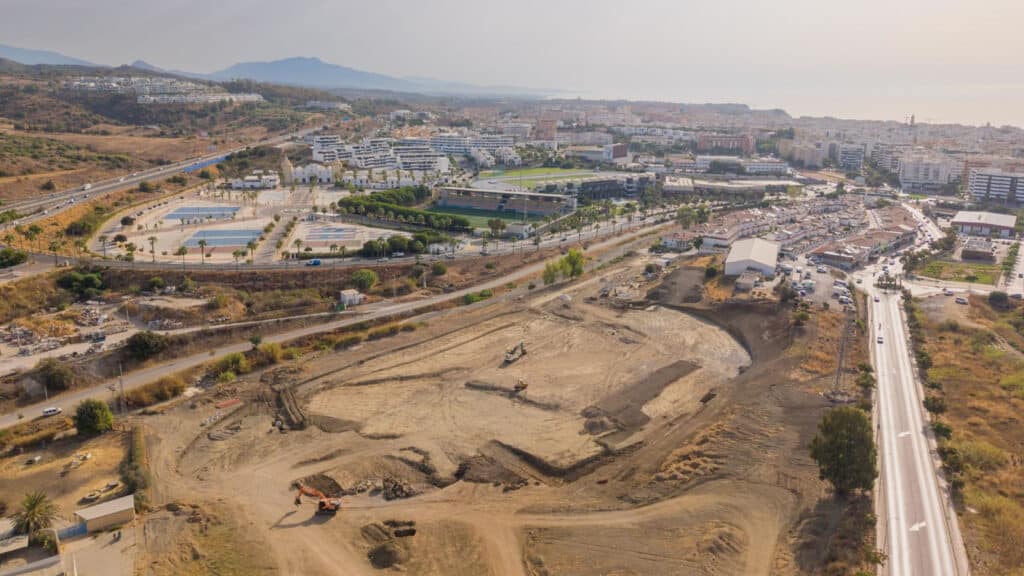
The schedule for the last quarter also brings together other prominent figures from the worlds of literature, film, music, and the contemporary arts, with a…The City Council is wrapping up the excavation phase of the velodrome construction project, which includes an 11-a-side soccer field and the city’s first rugby facilities
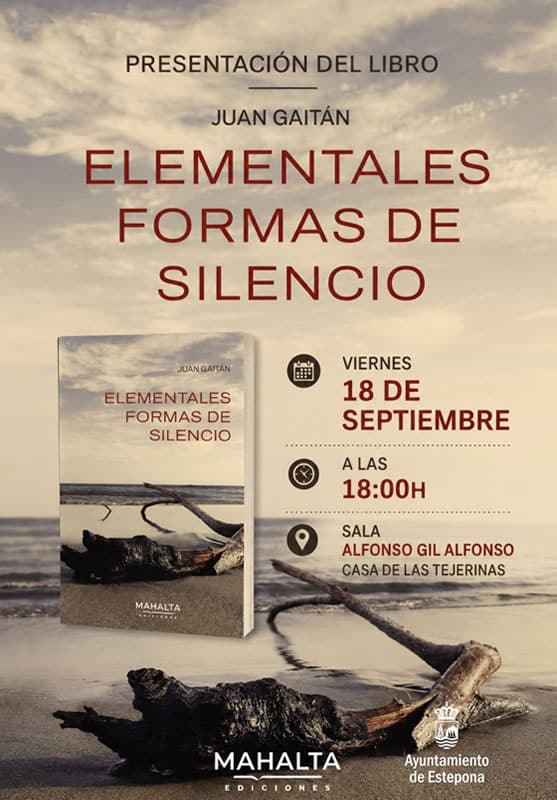
Work on the stormwater and sewer systems is also nearing completion The Estepona City Council reports that excavation work is nearing completion on the site…Juan Gaitán presents the book *Elementales formas de silencio* at Casa de Las Tejerinas
Friday, September 18, at 6:00 p.m., with free admission The Estepona City Council announces that Juan Gaitán, a writer and journalist from Málaga, will present…