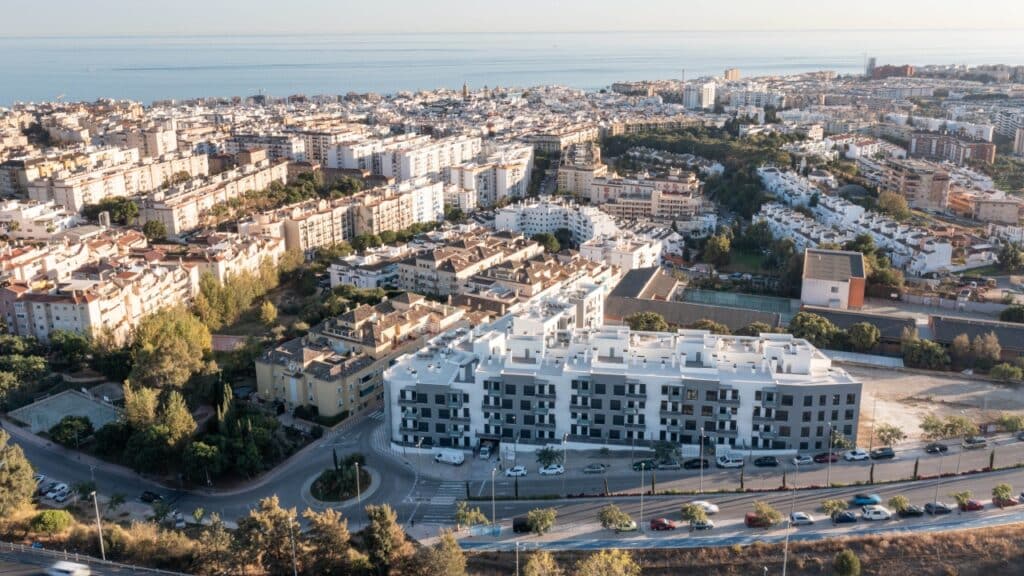
Work to improve and double the exhibition space at the Municipal Archaeological Museum is nearing completion
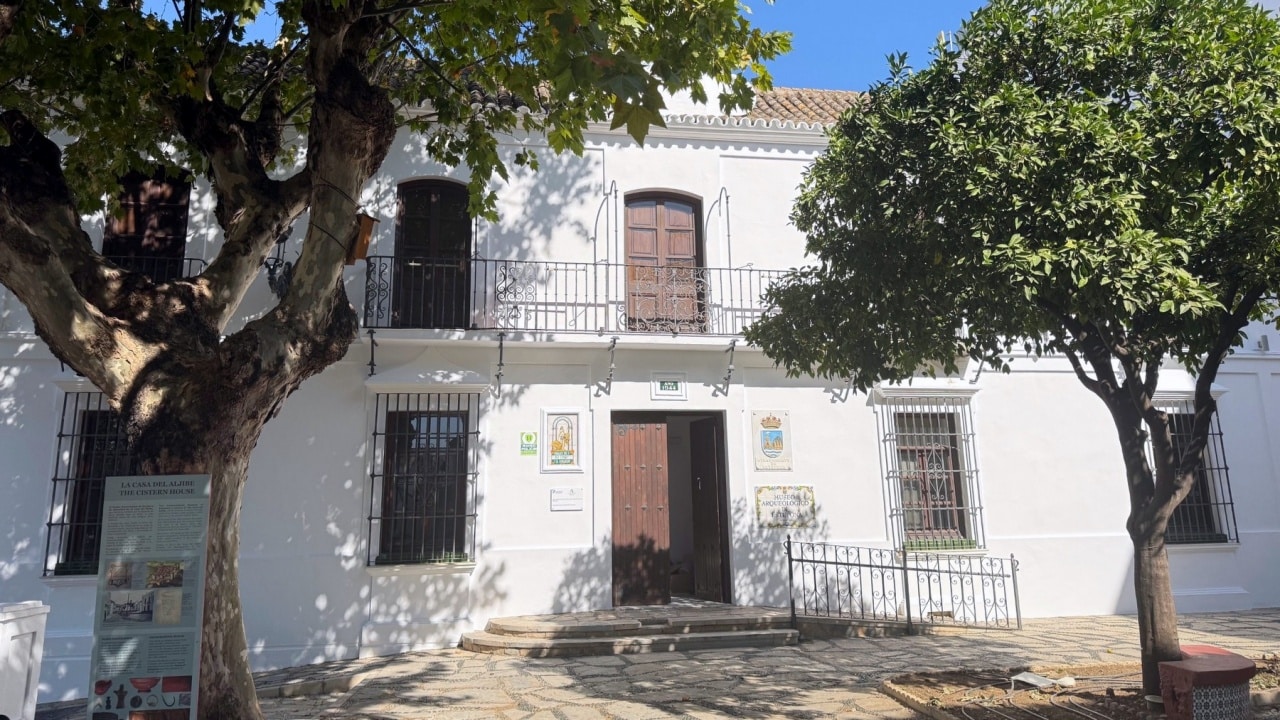
As part of this major renovation, a new, large exhibition hall has been created on the upper floor; the central courtyard, woodwork, flooring, and staircases have been remodeled; the lighting has been updated; and an elevator has been installed, among other improvements
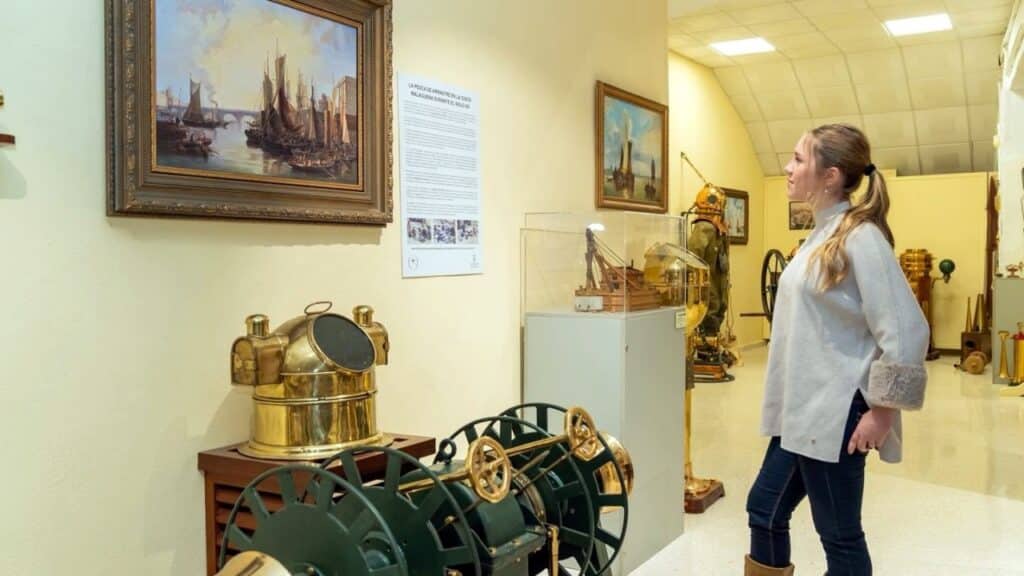
The Estepona City Council reports that the comprehensive renovation of the Municipal Archaeological Museum’s facilities has been completed. As a result of this project, which involved an investment of 97,999 euros (including VAT), the exhibition space has doubled, allowing the museum to display dozens of archaeological artifacts that had previously been stored away due to a lack of space.
The councilmember in charge of the Heritage and Museums Department, Daniel García Ramos, explained that one of the main projects has now been completed: the construction of a large new room on the upper floor, where an old beam ceiling—typical of local 18th-century buildings—has also been restored and treated with a special process to maintain it in optimal condition.
Measures have also been taken to improve safety conditions in the upper gallery. To this end, the height of the walls forming the balcony has been increased by incorporating glass panels—a solution that enhances visitor safety, given that this space is located above the ground floor, while maintaining the openness and visibility of this area of the museum.
As for the ground floor, an elevator has been installed and the existing restrooms have been renovated. In addition, the flooring of the central courtyard—which is now at the same level—has been renovated, and the fountain there has been removed. An artistic stained-glass window has been installed in this same space to serve as a canopy.
Furthermore, the columns on both floors have been restored, with efforts made to return them to their original condition as much as possible; the interior lighting has been updated; and Rooms 1, 2, 3, and 4 have been reconfigured, with the display cases in these rooms also renovated.
In addition, the cistern’s access opening has been left exposed and will be covered with structural glass. The staircase balustrade and the steps have also been renovated, with broken pieces replaced and the step patterns restored.
The municipal official noted that to complete this ambitious project, only minor finishing touches remain, such as painting and cleaning, as well as the installation of new furniture and the display cases that will house the archaeological artifacts for exhibition. Restoration of the entire facade is also underway.
The archaeological work carried out in recent years—which has unearthed dozens of artifacts that shed light on the origins of the city of Estepona—made it necessary to expand this museum with additional galleries so that these important artifacts can be displayed to the public, as the councilman explained. Most of these artifacts date from the prehistoric, Roman, and Islamic periods, and only a small number have been on display so far in a temporary exhibition. The goal of this new municipal project is to provide a permanent home for these collections within the museum,
The building that houses the Archaeological Museum dates from the 18th century; it consists of a ground floor and an upper floor and features a central courtyard containing a cistern that belonged to a tower from the Muslim period. On both floors, there is a porticoed gallery surrounding the central courtyard that leads to the various exhibition rooms.
New Apartments
New Houses
Featured Properties
More news
This Saturday, Calvario Park will host the 15th Muay Thai Golden Series Event, featuring clubs from all over Andalusia
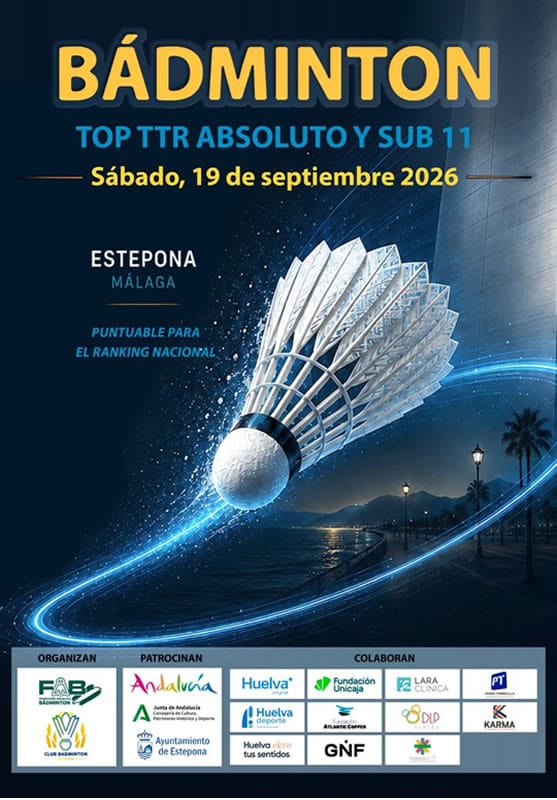
The event will begin at 4:00 p.m. The Estepona City Council announces that El Calvario Municipal Park will host the 15th Muay Thai Golden Series…Estepona is hosting Round 4 of the TOP TTR Absolute and Under-11 Badminton Tournament this weekend
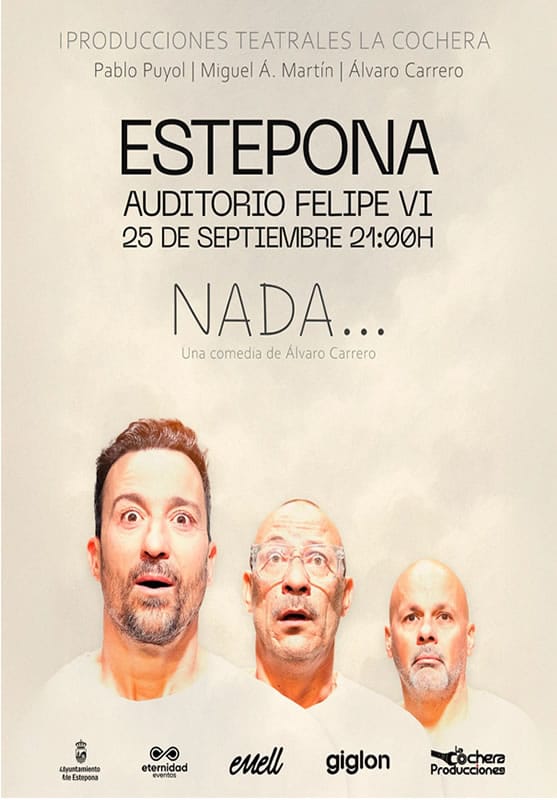
The tournament, which counts toward the national rankings, will be held on Saturday, the 19th, at the El Carmen Sports Complex. The first round will…The Felipe VI Auditorium Theater presents the comedy “NADA…,” starring Pablo Puyol, Miguel Á. Martín, and Álvaro Carrero
The performance will take place next Friday, September 25, at 9:00 p.m. The Estepona City Council announces that the Málaga-based theater company Producciones Teatrales La…