The City Council and the Consular Corps of Malaga hold a meeting that places the city as a benchmark in international cooperation
An exhibition located in Terraza Street reviews the almost 400 years of history of the consular institution. The City Council designates a public space in the city with the name of the Consular Corps of Malaga.
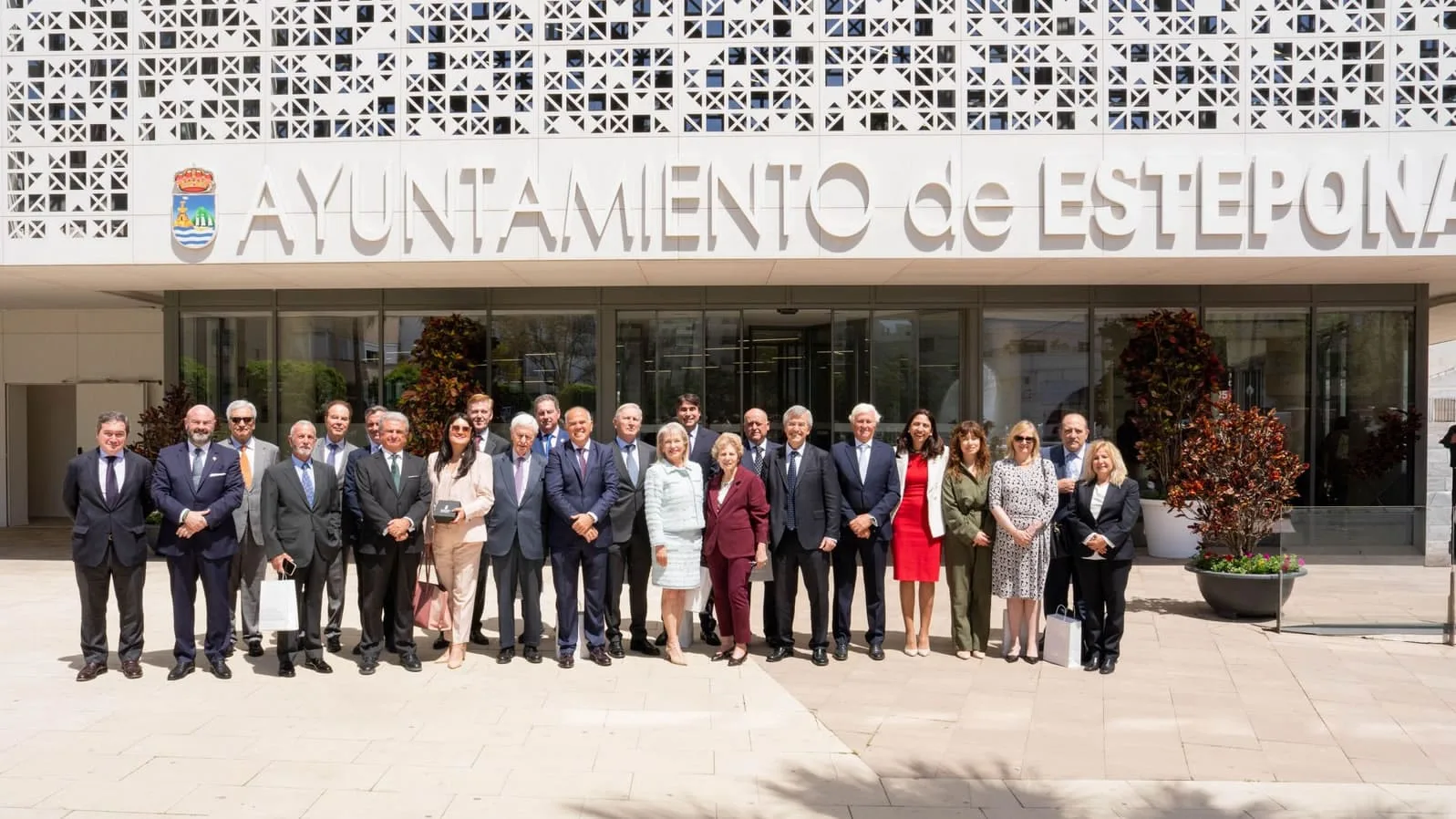
The City Council of Estepona and the Consular Corps of Malaga held today in the city a meeting that brought together representatives of nearly thirty countries with consular presence in the province. Coinciding with the 63rd anniversary of the Vienna Convention on Consular Relations, and 40 years of Spain's accession to the EU, the meeting in Estepona has been a milestone, since it has had the largest presence so far of diplomatic representatives in an event of this kind in Andalusia.
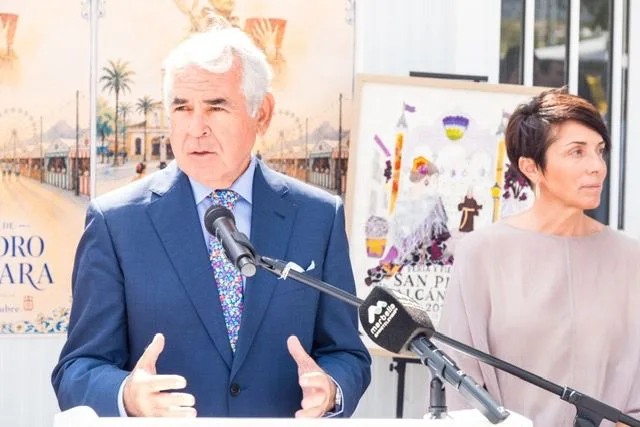
At the opening of the meeting, the mayor of Estepona, José María García Urbano, stressed the enormous pride felt by the city with the presence of the Consular Corps of Malaga, in this meeting that places the city as a benchmark for international cooperation. "Estepona, like the rest of the province of Malaga, has been throughout history a meeting place and crossroads between peoples and civilizations. That diversity is what has enriched this land, with its roots very present but always with an open look to the world and the future," he said.
The councilor has expressed international concern about the global situation. In this sense, he mentioned that the consular work is even more relevant because their work as bridge builders for understanding is more necessary than ever. "That spirit is the one we share from Estepona. People of 135 nationalities live here (representing about 32% of the registered population), who have found not only a place to live, but a space where they can develop, undertake and be part of a community. And we have been working on this integration and collaboration for years with various municipal programs," he stressed. "Meetings like today's are essential to open new ways of working, understanding and cooperation to build common projects that benefit everyone".
For his part, the dean of the Consular Corps of Malaga, José Luis Ramos, has highlighted the decisive role of consulates as "spaces for meeting, exchange and coexistence", especially in the current international scenario. "We live in complex times, marked by geopolitical tensions and local challenges that transcend borders. In this context, geostrategy cannot be separated from diplomacy or peace diplomacy. The decisions taken on the big stages have direct repercussions on the daily life of our societies, and that is where consular work acquires an irreplaceable value: bringing the global closer to the local".
In this sense, he stressed that "today more than ever we need to defend an active and prudent diplomacy that not only manages conflicts, but also prevents them", and launched a reflection: "consular and diplomatic work reminds us that understanding is possible, dialogue is necessary and cooperation is our best tool".
The vice dean of the Consular Corps of Malaga in the Costa del Sol area, and consul of Latvia, Fausto Martinez, thanked the City Council of Estepona collaboration in organizing the meeting, and defended the "decisive" role of consuls established in the province of Malaga "as representatives of thousands of citizens".
Exhibition 400 years of Consular History in Malaga
On the occasion of this meeting, Estepona hosts an exhibition with which the Consular Corps of Malaga celebrates its four centuries of history. It is located on Terraza Street and reviews the consular presence in the province since 1641 when a commercial treaty was signed between Denmark and Spain, which announced the opening of the first consulate.
The exhibition consists of 25 large panels in which the history of each of the 50 consulates in Malaga is reviewed (one for each side of the mupis). Through them, the visitor can learn about their peculiarities, curiosities and their functions: essential for the reinforcement of trade connections, economic, scientific or cultural agreements, as well as safeguarding the interests of foreign residents. All this, accompanied by dates and important events in the relations between Spain and each country, and by a list of consuls.
Public space in Estepona
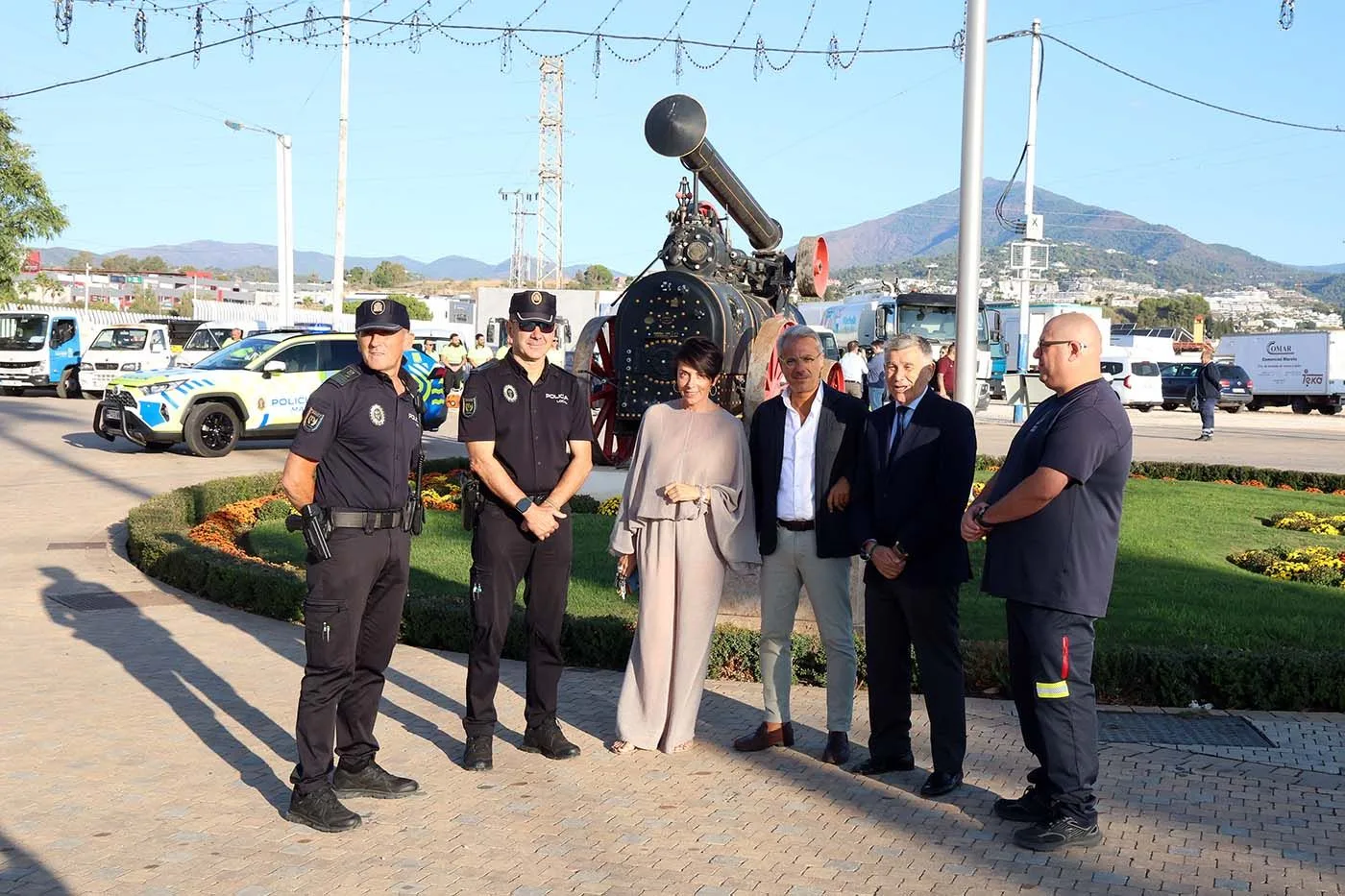
The Plenary of the City Council today approved the designation of a public space in the city. It is the traffic circle next to the central park, in the vicinity of the town hall. This is a recognition of the work done by the consuls in the province as pillars of support to their community and promoters of international relations.