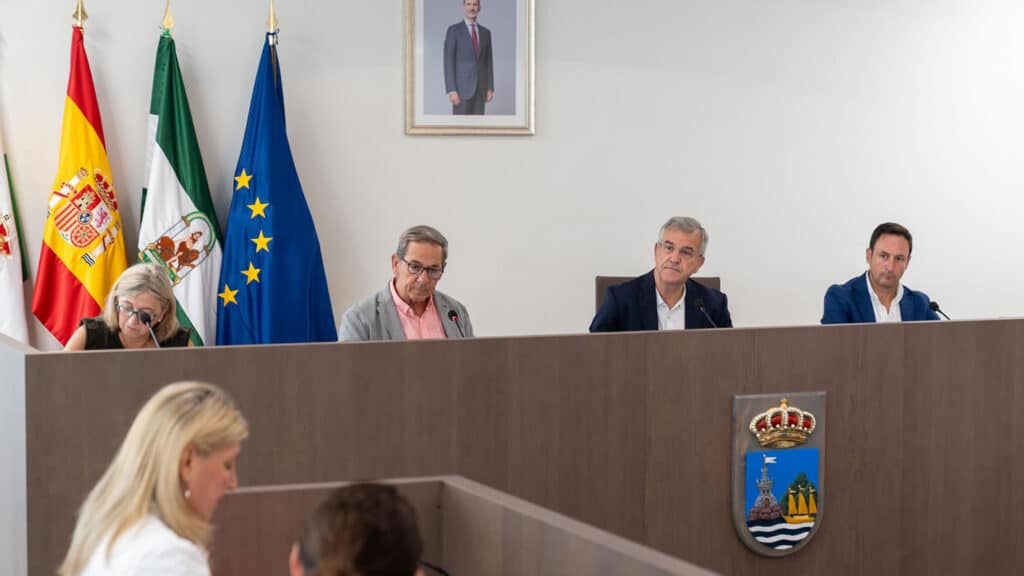
The City Council is moving forward with the Neighborhood Plan through initiatives in the Sierra Estepona area
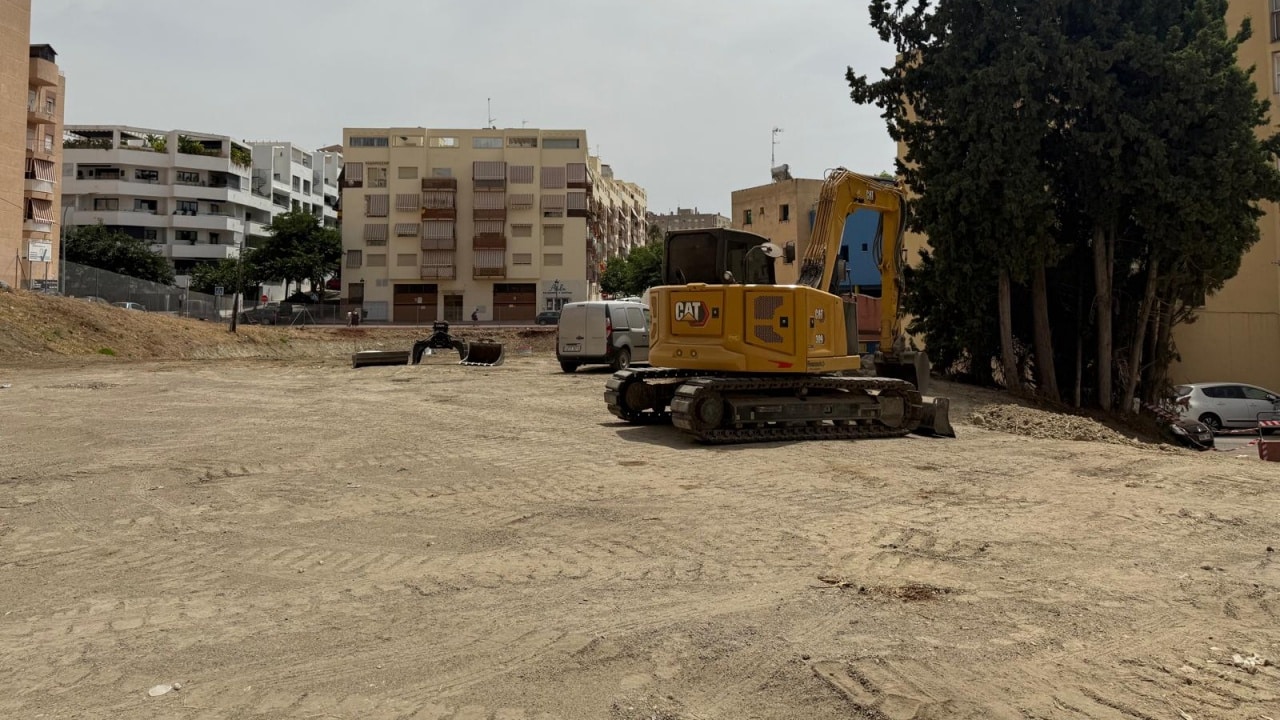
The project includes reorganizing traffic on three streets, which will add 98 parking spaces; converting two lots into parking areas; improving sidewalks; implementing mobility measures; traffic calming measures; replacing streetlights; and planting about 90 shade trees
The Estepona City Council continues to make progress on the Neighborhood Plan, a municipal initiative aimed at improving and strengthening the maintenance of the city’s residential and commercial areas.
According to Blas Ruzafa, the deputy mayor in charge of Services and External Control, the Neighborhood Brigade is currently working in the Sierra Estepona area, where, among other tasks, traffic will be reorganized on three streets in this area, resulting in the addition of 98 more parking spaces. As a result, Miguel Clavijo Street will increase from 36 to 70 parking spaces, Pilar Bardem Street from 30 to 53, and Alejo Carpentier Street from 38 to 79.
The municipal official also explained that, in this same vein, the City Council is improving the surface of two lots that are used as parking areas. To this end, work is underway to compact the ground, pour concrete on the access roads, mark parking spaces, and fence off the area.
In addition to these measures, the project includes repairing the sidewalk in various sections, implementing mobility improvements—such as widening sidewalks and lowering crosswalks—and replacing the streetlights throughout the perimeter of this residential area with more energy-efficient ones.
Furthermore, as announced by the councilman, with the aim of improving road safety and protecting pedestrians, traffic-calming measures will be implemented by installing speed bumps on various streets where vehicles have been observed traveling at speeds exceeding the recommended limit.
Another initiative planned for this area of Sierra Estepona is the planting of approximately 90 trees to help increase tree cover, create new shaded areas, improve environmental quality, and beautify the surroundings.
Through these initiatives—which, according to the councilmember, have been planned in consultation with representatives of the neighborhood associations— the City Council continues to advance a model for the city that combines improvements to infrastructure and public services with environmental stewardship and the creation of sustainable, pleasant spaces that enhance residents’ quality of life.
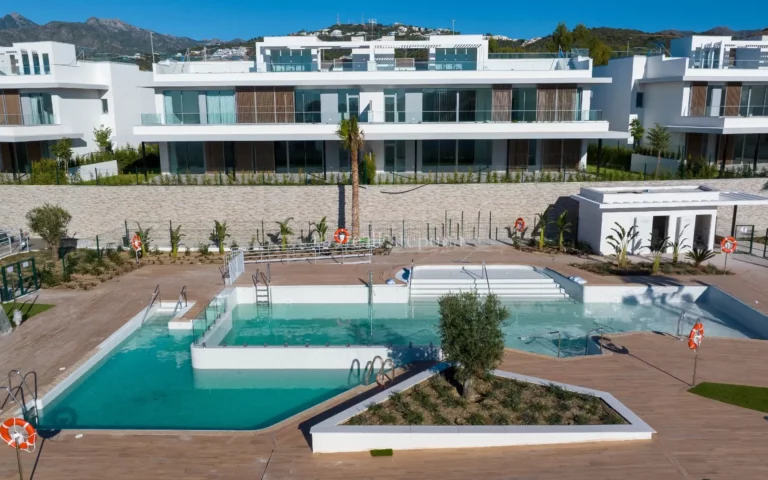
New Apartments
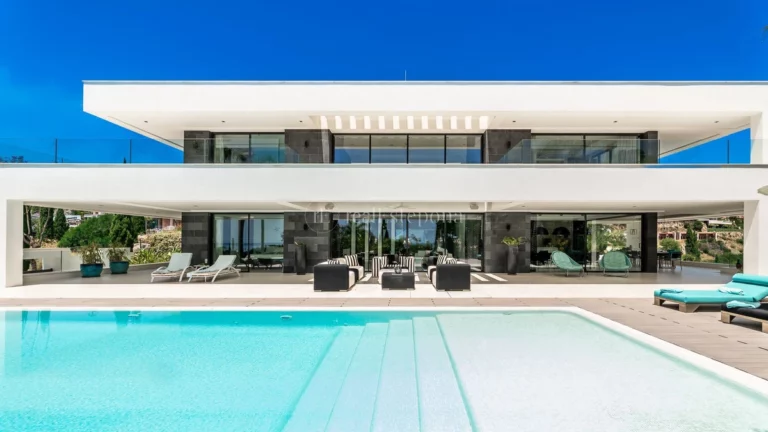
New Houses
Featured Properties
More news
Zenet and Felipa del Moreno, headliners of the third edition of Estepona’s “La Movida Flamenca”
The festival will take place on Saturday, August 1, at El Ángel Park, starting at 8:45 p.m., with free admission. It will open with guitarist…Artist Toby Govan is exhibiting his new sculptures at the Casa de las Tejerinas
The opening of the art exhibition will take place on Thursday, July 30, at 8:30 p.m., with flamenco singer Rocío Bazán in attendance, and it…The City Council is giving new momentum to the boulevard construction project with the completion of the underground utility lines and the parking garage foundation, which is 75% complete.
Work is already underway to connect Juan Carlos I Avenue with San Roque and Melilla Streets, following the opening of San Lorenzo Avenue to pedestrian…