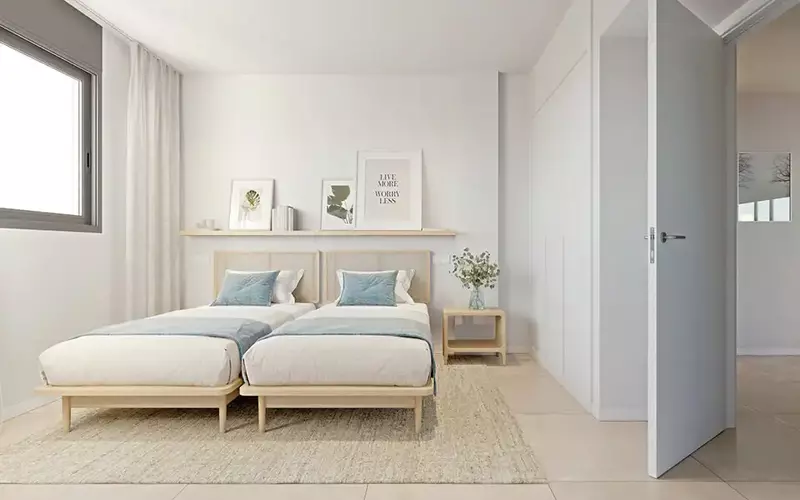
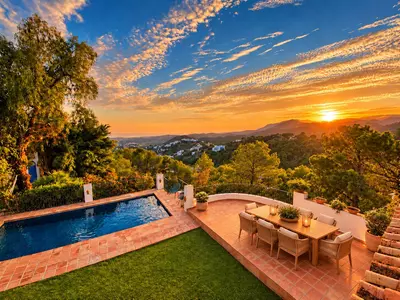
 R5520340Finca - Cortijo in Benahavís342 m², 4 bed, 3 bath€ 2,350,000
Fincas for sale in Marbella
4 properties for sale in Marbella · € 269,000 to € 2,700,000 · median € 6,871/m²
R5520340Finca - Cortijo in Benahavís342 m², 4 bed, 3 bath€ 2,350,000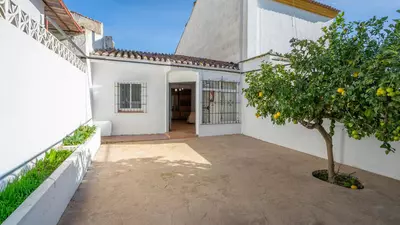 R5284147Finca - Cortijo in Marbella48 m², 2 bed, 1 bath€ 350,000
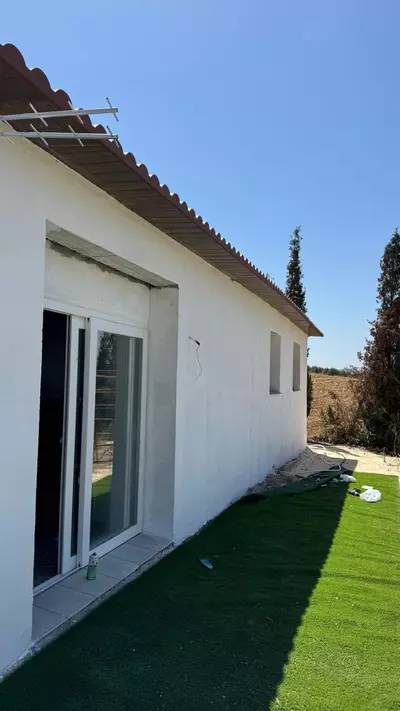 R5377951Finca - Cortijo in Marbella100 m², 3 bed, 1 bath€ 269,000
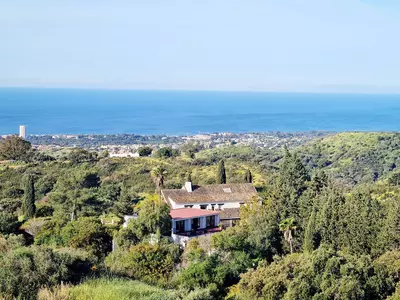 R4102684Finca - Cortijo in Las Chapas790 m², 5 bed, 4 bath€ 2,700,000
What fincas for sale in Marbella cost in November 2026
We do not publish a median per square metre for this type here. Over two or three properties a median looks precise and means nothing, and a number that misleads is worse than no number. The table puts the municipality in context across all house types instead.
The hectare is the unit out here, not the square metre
On a holding where the land carries nearly all the value, a rate per built metre describes the wrong thing. Two properties at the same figure can be five hectares of river valley with water, or twice that of dry slope with a view — which is why this table is context rather than a comparison.
Where the rural land survived
Behind the coastal strip the ground climbs towards the protected mountain, and it is up there, in the river valleys and on the higher cork-oak country towards the inland boundary, that the holdings are. Twenty minutes above the marina, and a different Andalucía.
Services, water and access
Water comes from a well, a spring or a deposit; electricity can be a long connection or a roof full of panels; drainage is a tank. Access is usually a track, often shared with whoever farms the next terrace. None of that is unusual in the countryside, and all of it is part of the property rather than an afterthought to it.
| Area | Typical | Range | Listings |
|---|---|---|---|
| Puerto Banús | 8,159 € | 6,315 – 9,430 € | 16 |
| Guadalmina Baja | 6,881 € | 6,477 – 10,225 € | 26 |
| Río Real | 6,867 € | 5,248 – 8,476 € | 15 |
| Nueva Andalucía | 6,348 € | 4,812 – 9,217 € | 199 |
| El Rosario | 5,813 € | 4,164 – 7,806 € | 33 |
| Guadalmina Alta | 5,566 € | 4,375 – 9,359 € | 21 |
| Elviria | 5,269 € | 4,156 – 7,753 € | 52 |
| San Pedro de Alcántara | 5,088 € | 3,988 – 6,462 € | 48 |
| Cabopino | 4,823 € | 4,502 – 6,639 € | 15 |
| Marbella | 4,713 € | 3,634 – 7,325 € | 148 |
These are asking prices, not achieved sale prices, and the table covers all house types per district. Districts with fewer than ten comparable listings are left out.
Why fincas for sale in Marbella are so rare and so cheap by the metre
The number that explains this page is not the price but the ground. The average holding on this list runs to 38,560 square metres, with buildings on it averaging 320 square metres — which is why a finca works out far cheaper per built square metre than a flat a few kilometres downhill. This is land with a house on it rather than a house with a garden, and almost nothing else in this municipality is sold that way. Prices run from € 269,000 to € 2,700,000, and there are only ever a handful.
The municipality that invented the Costa del Sol as a luxury address still has open country behind it, and almost nobody looks for it. That combination — real scarcity of supply alongside almost no competition from buyers — produces the odd arithmetic at the top of this page.
The land went to urbanisation and golf
From the sixties onward, every usable slope within reach of the sea in this municipality was planned, serviced and built on. Agricultural holdings that survived that process did so because they were too steep, too remote or too protected to be worth developing. What is left is real countryside rather than land waiting its turn, and what a hectare of it is worth as farmland bears no relation to the value of a building plot ten minutes below it.
Nobody comes to Marbella for a farm
Buyers arrive in this municipality with a flat or a villa in mind, and the word Marbella does not put a stone house among olive terraces into anybody's head. The result is a market with few sellers and fewer buyers, where a property can sit for a long time and then sell quickly to the one person who was looking. If a country property in this particular municipality appeals to you, you are competing with very little.
Why the figure per square metre misleads
On a holding of several hectares almost all of the value sits in the land, the water and the position, and almost none of it in the building. Dividing an asking price by the floor area of the house therefore produces a figure that means nothing at all. A finca is measured by the hectare, not by the square metre, and the rate that makes sense of an apartment makes nonsense of a farm.
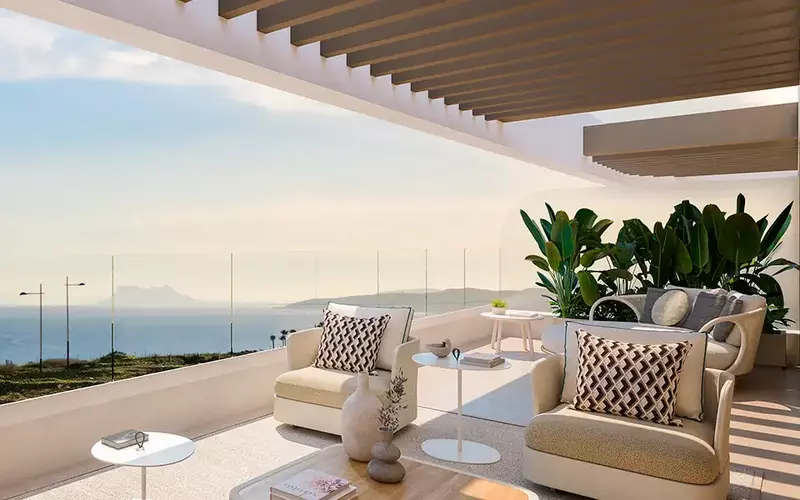
Where the fincas for sale in Marbella actually are
The northern hinterland
Behind the coastal strip the land climbs steeply toward the mountain that stands over the town, and beyond it the ground opens into valleys running north toward the reservoir and the mountain villages. This is where almost all of the rural property in the municipality sits: olive and almond terraces, cork oak, pine, and tracks that go up rather than along.
The river valleys
Two or three rivers come down out of those mountains and cut through the municipality to the sea, and the land along them is the most fertile and the most beautiful in it. Water is close to the surface, there are pools deep enough to swim in through the summer, and the valleys stay noticeably cooler than the coast in August. A holding on one of these is the best version of this page.
The eastern border country
Toward the boundary with the neighbouring inland municipality, the land flattens into higher ground with cork oak and open grazing, with the sea in view in one direction and mountains in the other. It is further from the beach than most Marbella buyers would consider and closer to the airport than they expect.
The protected mountains above
Above all of it, the high ground is protected and will stay that way. That is the single most valuable fact about every property on this page: whatever you buy, the view up the hill is permanent, and no planning cycle will ever change it. On a coast where the usual anxiety is what gets built next, this is an unusual kind of security.
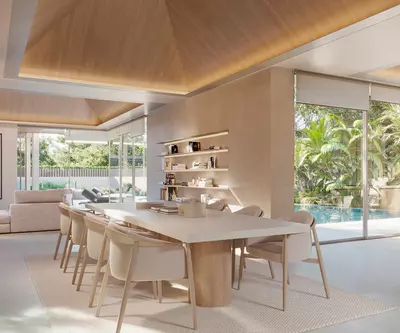
What the fincas for sale in Marbella are used for
Horses
This part of Andalucía takes horses seriously — breeding, competition, and plenty of people who have handled animals all their lives. Pasture, water and shade within half an hour of the coast is a scarce combination, and it is the most common reason a Marbella finca changes hands. Stabling, sand schools, feed merchants and vets who deal with horses every day are all routine locally, which is not true of most rural areas in Spain at this distance from a city.
A retreat twenty minutes from the marina
The reason buyers who already own something on this coast look at these properties is proximity. A stone house in silence sits twenty minutes from Puerto Banús, fifteen from an international school and under an hour from the airport. Nowhere else on this sea is the gap that wide between where you wake up and what is within reach of it.
Groves, oil and the land itself
The oil off these slopes is good, and a few hectares of olives yield several times what one household gets through in a year; the almonds are in flower by February; the cork comes off on its long cycle, cut by contractors who know every tree on the hill. None of this will pay for the property, but it is the difference between owning land and owning a view.
Holding land for the long term
Some of these parcels change hands as land rather than as a home, to buyers who take the view that open countryside within reach of the dearest town on the coast is worth owning for its own sake. What is bought in that case is the ground, the water and the silence — a field above Marbella is valued as a field, and the protection on the high ground behind it is the reason it is still one.
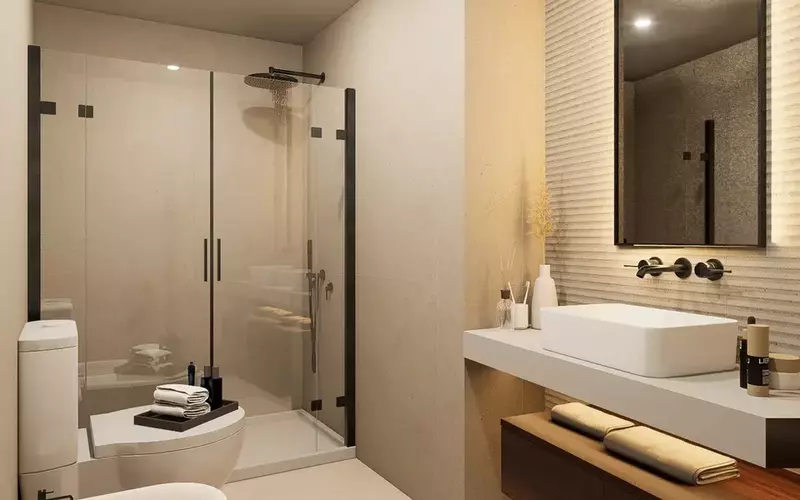
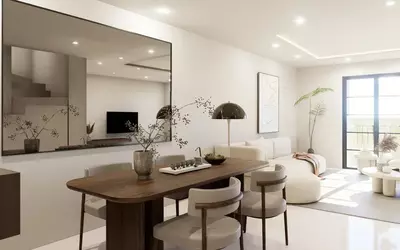
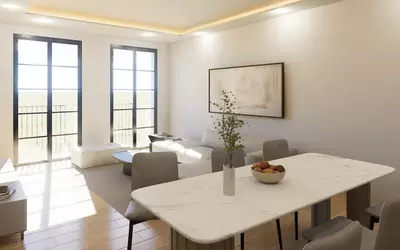
What a budget buys among the fincas for sale in Marbella
At the lower end
A plain country building on a large holding, sound rather than smart, reached by its own track, watered by its own well, with terraces that have seen better decades. At the bottom of this page the sums are startling when you set them against the coastal lists: several hectares inside the municipality of Marbella for what a small apartment costs on the Golden Mile. The catch is that the building will want work and the land will want attention at the same time, and both have to be understood before an offer rather than after.
Around the middle
A restored country house with a pool, services that work, a water source somebody can show you and land that has been managed rather than left. A finished holding costs less in the end than an unfinished one, which is truer of rural property than of anything on the coast: out here a restoration means a track for the lorries, water on site and trades willing to drive up, and all three are easier to pay for than to arrange.
At the top
A proper country estate: main house, guest accommodation, outbuildings, stabling or a producing grove, and land measured in many hectares with the mountains above and the sea in view. These come up perhaps once every few years in this municipality and they sell to people who have usually been waiting for one. The upper end of the municipality's market generally is on luxury property in Marbella.
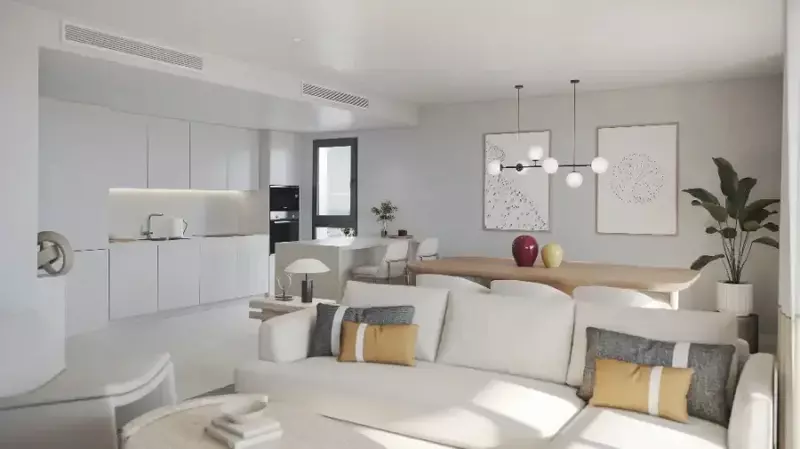
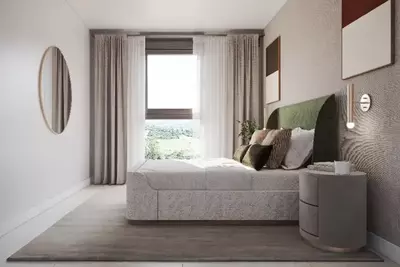
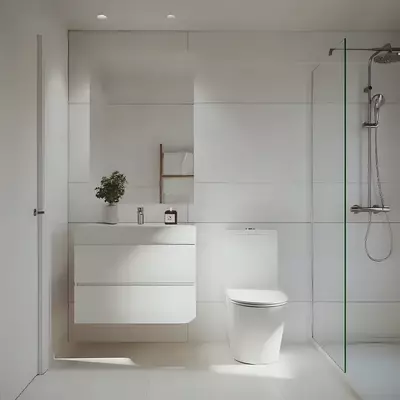
What makes the fincas for sale in Marbella is the land
On the built-up coast a property is described by its building. Twenty minutes above it the description changes entirely: hectares, water, aspect, the track in, and what is growing on the terraces. Out here the house is the smallest part of what is being sold, and two holdings of the same asking price in two neighbouring valleys can be nothing like each other.
Water is what separates one valley from the next
Along the rivers that come down off the mountain, water sits close to the surface: springs that run all year, old deposits cut into the hillside, pools deep enough to swim in through August. On the dry slopes between those valleys there is a well, a pump and whatever the tank holds. A holding with its own water keeps its grove, its pasture and its shade through the summer, and one without it is a landscape of stone and scrub from June onwards.
The track is the other half of the address
Asphalt for the first stretch up from the valley road, then gravel, then the last climb to the gate. The gradient and the surface decide how a wet autumn treats the approach, how far the nearest tarmac is, and whether a delivery lorry will attempt it at all. Ten minutes on a track is further away than twenty on a road, and on these slopes the track is a piece of the property rather than a detail of it.
Which way the slope faces sets the whole year
South-facing terraces take the sun into the evening, ripen earliest and are fierce in July; the north-facing ground stays green weeks longer and is cold on a January morning; a valley that faces east loses the light in mid-afternoon. The old planting reads the aspect for you — olive and almond went in on the warm terraces, cork oak and pine were left on the shaded ones. On rural ground the aspect is the one thing no amount of money can alter.
Hectares are counted by what stands on them
A figure in hectares says very little on its own. What matters is what the ground carries: terraces walled in dry stone, olives of real age, almonds that flower in February, carob, cork oak on its long harvesting cycle, open grazing, a stream bed that runs for a few weeks a year. On a Marbella holding a good half of the land is slope rather than usable field, and the proportion between the two is the whole character of the place.
The houses out here were built from what was to hand
Stone and lime, walls thick enough to keep August out without machinery, small openings, a tiled roof on timber beams, and the classic cortijo arrangement of a yard with the store and the stable along the other sides. Cold in February unless something is burning. The restored ones have had the openings towards the view enlarged and a terrace laid where the threshing floor was, and our agents here know which valley each of them sits in.
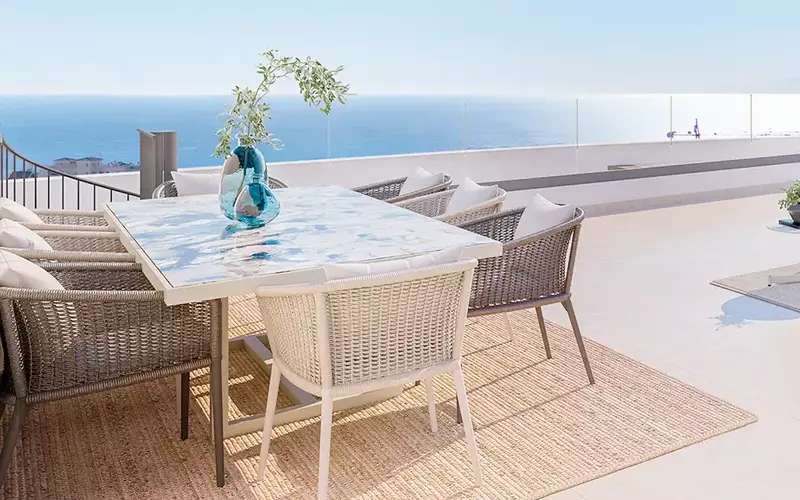
Living on a finca in this municipality
Everything is a drive, and the drives are short
You will drive for everything, and the drives are short by rural standards: a supermarket within twenty minutes, a hospital in the town, schools along the coast, and the whole apparatus of one of Europe's best-served resort towns available whenever you want it. What you give up is the ability to walk anywhere, which is the trade every country buyer makes. The compensation is particular to this municipality: you are not choosing between the coast and the countryside, you are choosing to live in the second and use the first whenever it suits you, which is a luxury that neither a villa in an urbanisation nor a farmhouse two hours inland can offer.
The land has a calendar, and spring is the busy end of it
In wooded country the work comes round every year whether anybody is in residence or not: scrub cut back from the buildings before the heat, the track made passable again after the winter, tanks and gutters cleared before the autumn rains, the grove pruned, the olives picked late in the year. A small holding is a few weekends and five hectares is a contractor, and the difference between a managed finca and a neglected one is visible from the gate.
A stone house with a pool lets to people who want silence
What a country holding offers a visitor is the one thing the coast cannot: no neighbours, no traffic, stars, and Puerto Banús twenty minutes down the hill when it is wanted. The guests who book out here come for the quiet and stay longer than coastal guests do, which suits a house that is let by the fortnight rather than the weekend. The season, the changeovers and the arrangements are what our rental service carries.

Fincas for sale in Marbella — where to go next
Back down on the coast, the same municipality offers detached villas on urban plots, houses of every kind, apartments, ground to build on at plots and land, and the upper end at golf property and luxury property. All of it sits together on property for sale in Marbella.
For country property with a real choice rather than a handful, look west: Casares has the largest holdings on the coast, Manilva the vine terraces, Benahavís the river valleys, and fincas covers all of it. With a market this thin, the property alarm is the only realistic way to watch it — set it up before you are ready to buy rather than after.
Answers about fincas in Marbella
Are there fincas for sale in Marbella?
4 at the moment, between € 269,000 and € 2,700,000, on plots that average 38,560 square metres — land on a scale the coast otherwise forgot it had. Some sit in the Marbella municipal area itself, others in Las Chapas and in the hills behind the coast, because rustic land does not stop at a municipal boundary and a finca half an hour inland is the same buy on either side of one. It is a very short list and will stay short: Marbella has little rustic land left. The deeper market is fincas in Estepona with 49 listings, and the fincas for sale in Marbella come to market a few times a year rather than weekly.
Why are there so few?
Because Marbella was built out. A finca needs agricultural or rustic land, and in this municipality almost all of it was reclassified and developed between the sixties and the nineties. What remains sits at the edges, which is why the plots on the current listings are enormous and the examples unlike each other. If the land is the point, land in Marbella and residential plots are the lists to work through.
What is the land like on the fincas for sale in Marbella?
Steep, terraced and planted, and it varies enormously from one valley to the next. The rivers that come down off the mountain carry the fertile ground: water close to the surface, pools deep enough to swim in through August, and valleys noticeably cooler than the coast. Between them the slopes are drier — olive and almond on the warm terraces, cork oak and pine on the shaded ones, dry-stone walls holding the whole arrangement up. On a holding of this kind a good half of the hectares are slope rather than usable field, and the aspect sets the year: a south-facing terrace takes the sun into the evening, an east-facing valley loses it in mid-afternoon. Above all of it the high ground is protected, so the view up the hill from any of the fincas for sale in Marbella will look the same in twenty years. The coastal alternative with a garden instead of land is detached villas in Marbella.
The list is this short — what then?
Set an alert and widen the area. Our property alarm mails you when a finca comes up rather than leaving you to check back, and with a list this short that is the only sensible method. Westwards the supply is real: 49 in Estepona and more in Casares, where the Genal valley starts and rustic land is still rustic land.
What is it like to live on one of the fincas for sale in Marbella?
Quiet, and closer to everything than it sounds. A car does the work, but the journeys are short for the countryside: a town with a hospital and a market down the hill, the international schools strung along the coast, the marina near enough for an evening out and back. The unusual part of this municipality is that the two worlds are not an either-or — the house is in the hills and the resort is a twenty-minute drive, which neither an urbanisation nor a farmhouse deep inland can give you together. Set against that, the ground asks for attention every season: clearance around the buildings before the heat, repairs to the track once the winter rain has finished with it, pruning in the grove, picking late in the year. A few weekends on a small holding, a contractor on several hectares. realEstepona.com lists the plot, the water and the access on each of the fincas for sale in Marbella, and the property alarm will tell you when the next one appears.