The City Council advances in the works of the boulevard of Estepona with several phases in the process of completion.
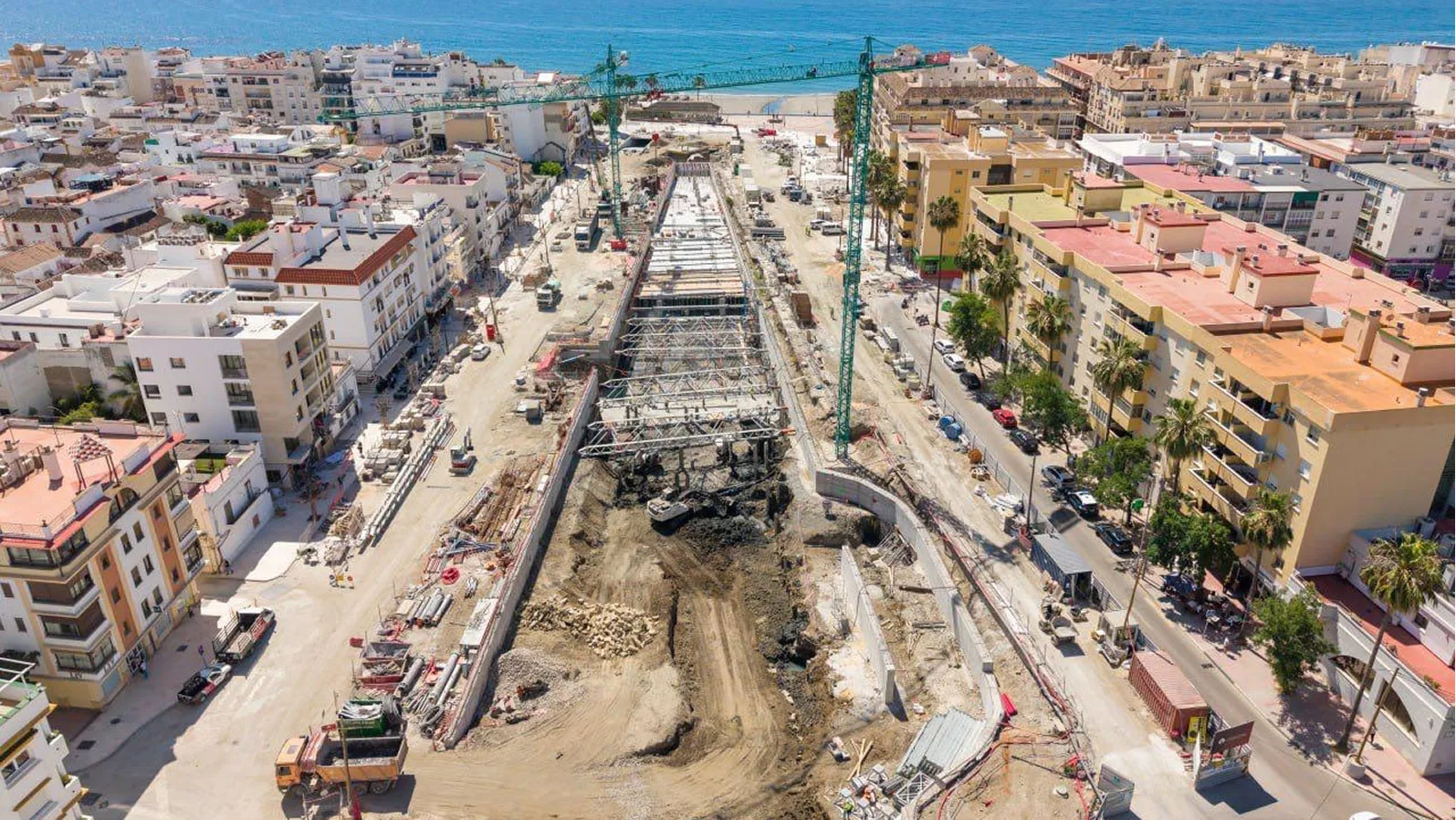
The project is 90% complete in terms of underground installations and 50% in terms of foundations. Pedestrian traffic on Avenida San Lorenzo is already open and the accesses to Avenida Juan Carlos I and Avenida España are expected to open in July.
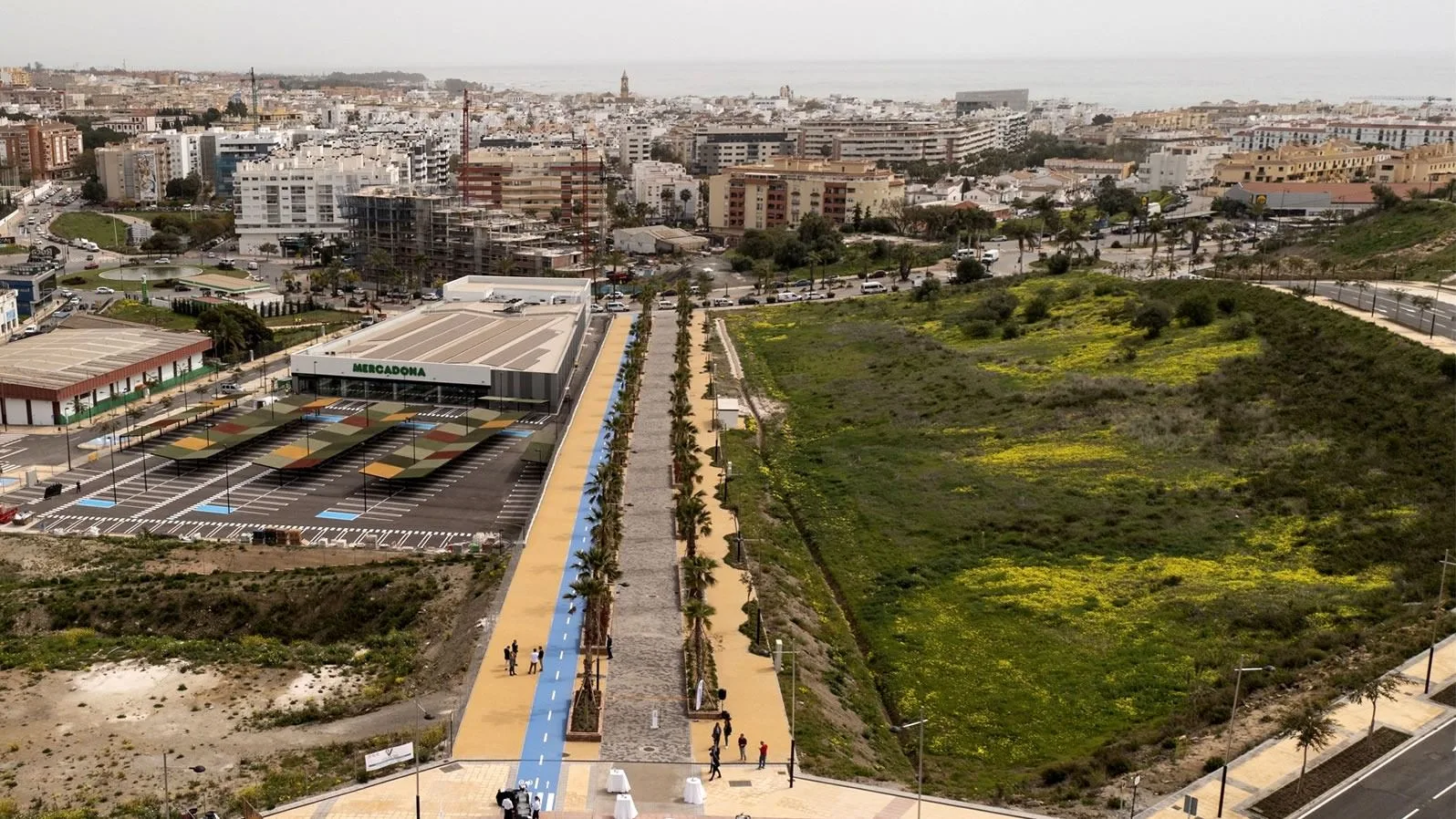
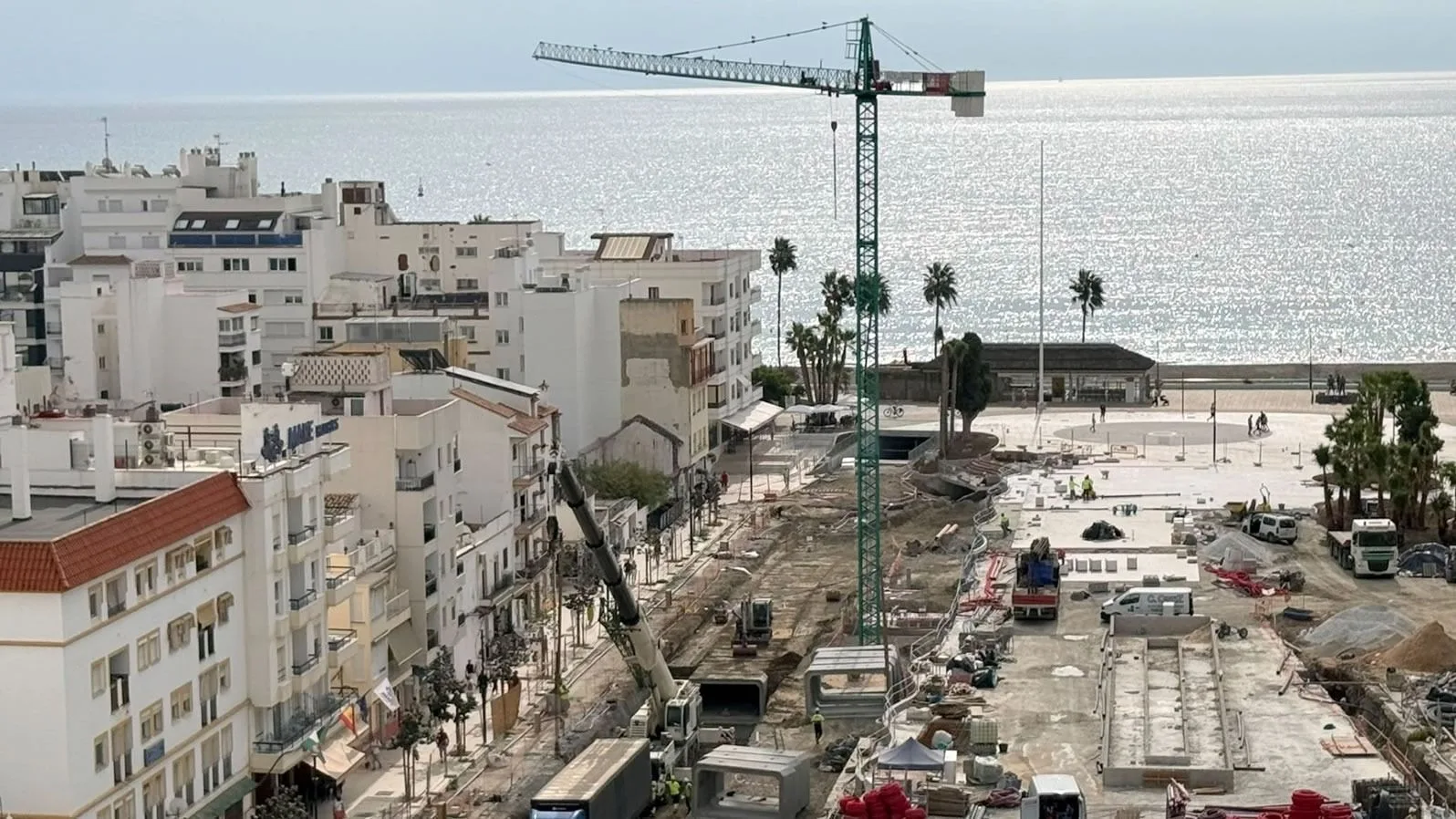
The Estepona City Council continues to promote the works of the future boulevard of the city, which is being executed in the area of influence of San Lorenzo, Juan Carlos I and España avenues, and which will be the culmination of the great urban transformation of Estepona.
This ambitious project already has some phases in the process of completion. Thus, the underground network channeling works (electricity, telecommunications, drinking water, irrigation and sanitation) are 90% complete, while the foundations have reached 50% completion. Likewise, the first slab is 30% complete and the construction of the roof slab has begun, which represents a new step forward in the configuration of this important urban infrastructure.
On the other hand, pedestrian traffic has already been opened on San Lorenzo Avenue, improving the connectivity of the area during the development of the works. The accesses to Juan Carlos I and España avenues will soon be added to this, which is expected to be completed next July. In addition, gardening work has begun these days in the surroundings of the Alborán building.
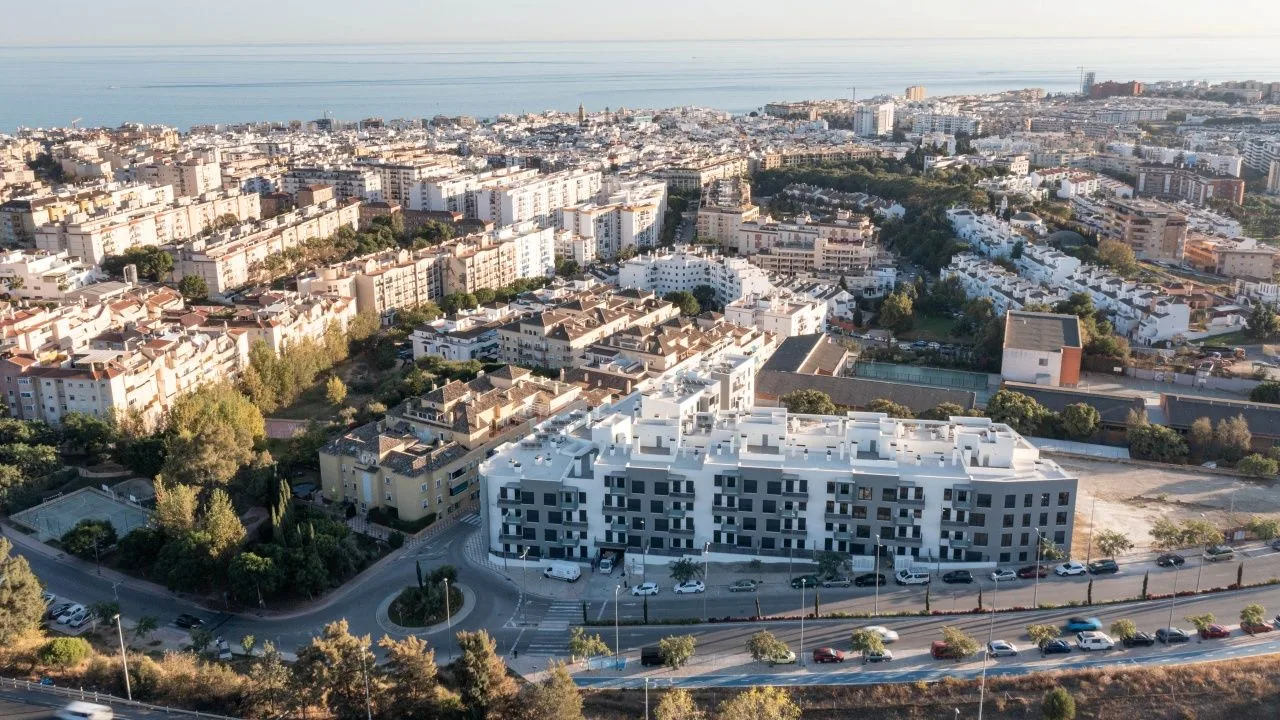
This work will allow to merge the pedestrian boulevard to the Mediterranean in which the old N-340 road has become and which has generated one of the best promenades in the country, with the renovated historic center, known as the 'Garden of the Costa del Sol'.
The boulevard of Estepona will have in its underground part a parking for more than 300 vehicles, which will be added to the municipal parking network of 1 euro per day cost for the user. On the outside it will have unique elements such as squares, promenades, water features and parks, giving personality to the urban space and serving as a meeting point for citizens. It also integrates spaces reserved for cab ranks, places reserved for loading and unloading compatible with stores, parking areas for motorcycles, electric vehicles and bicycle parking, with a clear commitment to improving mobility.
With this intervention, the Estepona City Council continues to advance in its model of a friendly, green and open to the sea city, consolidating an urban transformation that has made it a national benchmark for the quality of its public spaces and its firm commitment to the welfare of its citizens.