
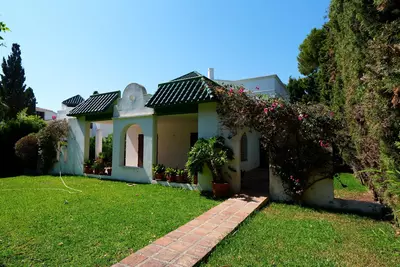
 R5431393Detached Villa in Artola151 m², 4 bed, 4 bath€ 1,150,000
Property for sale in Artola
10 properties for sale in Artola · € 241,000 to € 3,500,000 · median € 4,661/m²
R5431393Detached Villa in Artola151 m², 4 bed, 4 bath€ 1,150,000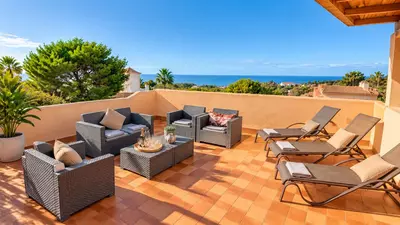 R5527435Townhouse in Artola178 m², 4 bed, 3 bath€ 599,000
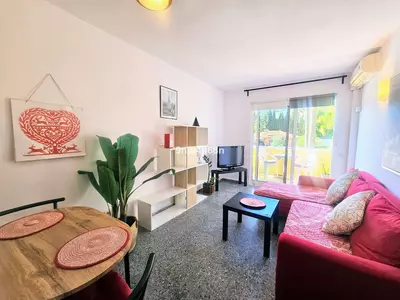 R5347069Middle Floor Apartment in Artola46 m², 1 bed, 1 bath€ 240,500
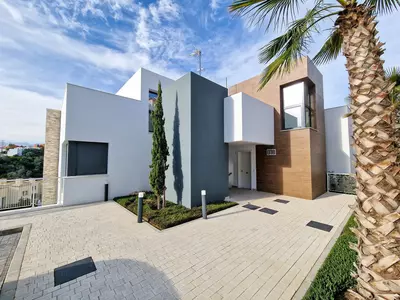 R4627222Duplex in Artola138 m², 2 bed, 2 bath€ 689,000
 R5506573Semi-Detached House in Artola200 m², 3 bed, 3 bath€ 850,000
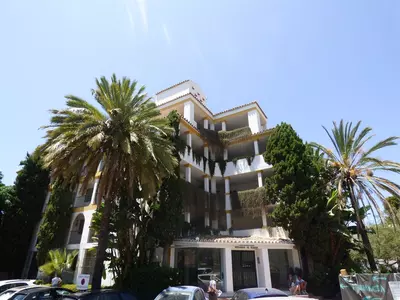 R5116609Middle Floor Apartment in Artola76 m², 2 bed, 1 bath€ 329,000
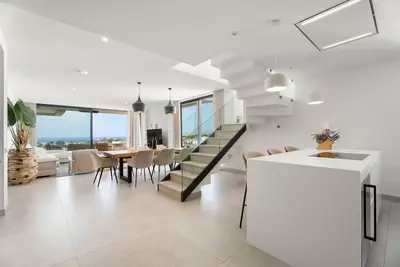 R5173114Penthouse Duplex in Artola173 m², 3 bed, 3 bath€ 2,200,000
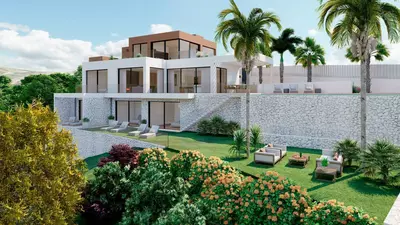 R4938814Detached Villa in Artola964 m², 5 bed, 7 bath€ 3,500,000
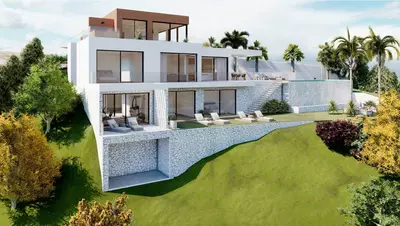 R5035261Detached Villa in Artola964 m², 5 bed, 6 bath€ 3,500,000
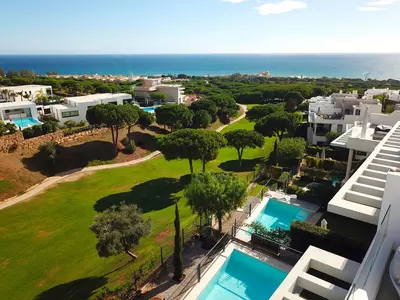 R4887967Townhouse in Artola263 m², 3 bed, 3 bath€ 1,380,000
Urbanisations in this area: Cabopino and Elviria.
What property for sale in Artola costs in November 2026
The figures for Artola itself are in the band under the heading of this page and in the price section below it — the count, the range of asking prices and the median per square metre, counted from every listing we hold here and refreshed with every feed run.
Why Artola has no row of its own in the table
A district needs at least ten comparable listings before we publish a median for it, and this one is below that today. A number resting on a handful of properties would look precise and mean nothing.
How to use the table instead
Read the neighbouring rows — Cabopino and Elviria — as the frame for this stretch of coast, and treat the list above as the description of what is actually for sale. In a small market the individual property matters more than any district average could.
| Area | Typical | Range | Listings |
|---|---|---|---|
| Los Monteros | 12,082 € | 9,989 – 15,236 € | 10 |
| Puerto Banús | 7,576 € | 6,014 – 10,188 € | 145 |
| Marbella | 6,111 € | 4,588 – 7,946 € | 269 |
| Nueva Andalucía | 5,625 € | 4,637 – 7,184 € | 293 |
| Elviria | 5,319 € | 3,902 – 7,062 € | 101 |
| San Pedro de Alcántara | 4,996 € | 4,190 – 6,302 € | 70 |
| Cabopino | 4,944 € | 4,443 – 6,770 € | 23 |
| Guadalmina Baja | 4,776 € | 3,583 – 6,364 € | 14 |
| Guadalmina Alta | 3,923 € | 3,739 – 4,394 € | 24 |
| Area | Typical | Range | Listings |
|---|---|---|---|
| Puerto Banús | 8,159 € | 6,315 – 9,430 € | 16 |
| Guadalmina Baja | 6,881 € | 6,477 – 10,225 € | 26 |
| Río Real | 6,867 € | 5,248 – 8,476 € | 15 |
| Nueva Andalucía | 6,348 € | 4,812 – 9,217 € | 199 |
| El Rosario | 5,813 € | 4,164 – 7,806 € | 33 |
| Guadalmina Alta | 5,566 € | 4,375 – 9,359 € | 21 |
| Elviria | 5,269 € | 4,156 – 7,753 € | 52 |
| San Pedro de Alcántara | 5,088 € | 3,988 – 6,462 € | 48 |
| Cabopino | 4,823 € | 4,502 – 6,639 € | 15 |
| Marbella | 4,713 € | 3,634 – 7,325 € | 148 |
Asking prices, not achieved sale prices. Districts with fewer than ten comparable listings are left out — Artola is one of them today. The figures are counted from our own listings and refreshed with every feed run.
Why the dunes decide everything about property for sale in Artola
Artola is a small district at the eastern edge of Marbella, beside the dunes and next to Cabopino and its marina. We hold 10 properties for sale in Artola today, asking anything between € 241,000 and € 3,500,000, with € 1,200,000 in the middle, 315 square metres of building on average and 634 square metres of ground under it. One fact matters more than all of those: the ground between the houses and the sea is a declared natural monument and cannot be built on.
On this coast the standing anxiety is what gets built in front of you. Here the answer is settled, permanently and by law rather than by the goodwill of a developer. The dune field that gives the district its name is protected as a natural monument, which means the strip between the built-up area and the water will look the same in thirty years as it does this morning.
What that is worth
More than any listing says, because it never appears as a feature. Everywhere else a buyer pays for a view and then hopes; in Artola the open ground in the foreground is a legal condition of the landscape. An outlook secured by law is an asset rather than a bet, and on a property whose value rests largely on what it looks at, that is the whole difference.
What the dunes actually are
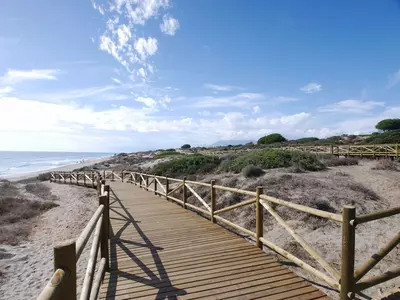
A long field of shifting sand held together by pine and juniper, running behind the beach and rising into low hills of it. A Moorish watchtower stands in the middle, the kind that was built along this whole coast to watch for raiders. Boardwalks cross the sand to the beach. This is the last dune landscape of its kind on the Costa del Sol, which is precisely why it was protected rather than paved.
And what living beside them is like
Quiet, because nothing passes through: the district has no through traffic, no promenade with bars on it and no reason for anybody to drive in who is not going to a house. The beach is reached on foot across the sand rather than down steps from a paseo. In August it is the emptiest sand in Marbella, which is a sentence that cannot honestly be written about anywhere west of here.
What the property for sale in Artola is
A small and house-heavy market
The district is tiny and the figures show it: an average plot of several hundred square metres and an average building of over three hundred mean this is mostly houses rather than flats, and that nearly every property has its own pool. With a handful of listings at any time there is no typical property here — the list above is the only honest description of what is available today.
Why there is no price line in our market tables
Our comparison tables publish a median only where a district has at least ten comparable listings, and Artola sits below that. A median over a handful of properties is a number, not a market, so we leave the row out. The real figures — the count, the range and the median per square metre — are in the band under the heading above, counted from our own listings this morning.
What the stock is like
Mostly detached and semi-detached houses on streets running back from the coast road toward the golf, with a smaller number of flats in low-rise schemes. The buildings date largely from the eighties and nineties, when this end of the municipality was developed, which means generous layouts, mature gardens and the maintenance questions that go with that vintage.
Where Artola sits
Between Cabopino and Las Chapas
The district occupies the ground immediately west of Cabopino, with Las Chapas beyond it toward the town. These three districts run into one another without a visible border, and anybody looking at one should walk all three on the same day, because the choice between them is about a few hundred metres rather than about character. Everything in the neighbours is on Cabopino and Las Chapas.
The marina next door
Cabopino has a small harbour with restaurants around it, which is where people in Artola go for dinner and where the boats are. It is a few minutes on foot or a very short drive, and it is the only evening life reachable without getting onto the coast road.
The golf behind
A course sits immediately inland of the district, which means the green space behind is as settled as the sand in front. Protected dunes on one side and fairways on the other is an unusual sandwich, and the houses sit in between it. See the golf-side schemes of the municipality.
And the road
The coast road runs along the back of the district and the motorway behind that, which is how you get anywhere — Marbella town is about a quarter of an hour west, the airport about half an hour east. Everything from here is a drive, and the drives are short. That is the trade for being at this end of the municipality.
Who buys property for sale in Artola
Buyers who came for the beach and stayed for the quiet
The commonest pattern. People arrive at this end of Marbella because the beaches are the widest in the municipality, and they notice on the second day that the district behind them is silent. Artola is the opposite end of the same town from Puerto Banús, in every sense except the postcode.
Families
The international schools are a few minutes west, the sand is crossable on foot without a road in the way, and the gardens here are large enough for children to be outside unsupervised. Schools, sand and a garden rarely line up in one address, and this is one of the few places in Marbella where they do.
And who should look elsewhere
Anybody who wants to walk to a supermarket, a bar or a bus. This district is residential and nothing else, deliberately. If life without a car is the requirement, the town centre or San Pedro will suit you far better — see San Pedro de Alcántara.
Property for sale in Artola went up in the eighties and nineties
Nothing here is new, and nothing comes unfinished
The streets were laid out and built over two decades at the end of the last century, after which the residential ground ran out. What changes hands now is the second or third ownership of a finished house rather than a handover from a builder. There is no empty residential land left inside this district, and that single fact explains most of what a buyer finds here: mature planting, finished streets, and installations of their period rather than of this year.
Some addresses here are called Artola Alta, and they sit inland of the road
The listings use two names for one district. Plain Artola is the lower ground between the coast road and the dune field, where the walk to the sand is the point of the address. Artola Alta is the slope on the inland side of the road, nearer the fairways than the water, high enough for the terraces to look over the roofs below them. The coast road is worth more than the few hundred metres between the two names suggests: below it the beach is a walk, above it the view is wider and the summer evenings quieter.
Terraced rows at the bottom of the market, free-standing houses at the top
Houses outnumber flats here, and they fall into three bands that barely overlap. A terrace in a row shares two walls and takes a patio and a communal pool, and it is the least expensive way into the district. A semi-detached pair shares one wall and usually brings a garden and a pool of its own. Above both stand detached houses on their own ground, a few of them very large. Gardens here are measured in hundreds of square metres rather than thousands, which is the honest difference between Artola and the villa country west of it.
The flats are in low blocks, and the terrace decides the price
Apartments here sit in small gated schemes of two and three storeys with planted grounds and a shared pool, spread out rather than stacked up, because at this end of the municipality nobody ever had a reason to build high. Inside one scheme the floor matters less than which way the terrace faces and what stands in front of it. A ground floor with its own piece of garden competes directly with a terraced house, and a roof terrace on top of a block is the one thing in this district that cannot be added later.
The wind off the sand is the condition every building here lives with
A dune field in front and open water beyond it mean fine sand travels on the breeze and settles on terraces, sills and pool surrounds, while salt works steadily on render, railings and window frames. It is the reason gardens here are planted with pine, juniper, rosemary and palm rather than with lawn, and the reason the better-run schemes repaint on a cycle instead of waiting for a reason. Planting that tolerates salt is the only planting that survives here, and which garden was got right is visible from the street.
A stone watchtower stands out in the middle of the dune field
Torre Ladrones sits in the sand between the houses and the sea, one of a chain of towers put up along this shore to watch the water for raiders. It is worth the walk on a first morning, and not as sightseeing: it explains the district. Nobody lived on this stretch of shore until the twentieth century, which is why the dune field survived intact long enough to be declared a monument, and why Artola has no square, no church and no old centre the way the inland villages do. The landscape here is the permanent part and the houses are not.
Letting and living here
The letting case
A private pool, a garden and an uncrowded beach at the end of a boardwalk make a strong case in July and August, and the course behind the district picks up weeks in spring and autumn when the beach market has gone quiet. Two seasons rather than one is what the golf adds here, which is why owners at this end of the municipality count in months instead of in Augusts. The licence, the bookings and the quarterly returns are what our rental service carries for owners here.
The beach is wide, and in August it stays that way
The sand in front of the dunes runs broad and unbroken, with no promenade along the back of it and no row of beach bars, so it fills late in the day and empties early. People reach it by boardwalk at a handful of points rather than by steps every fifty metres, which spreads them thinly along its length. A wide beach with no paseo behind it behaves differently in high summer: the crowd that walks a promenade never arrives.
Winter
Quiet to the point of stillness. The beach is walkable all year and the restaurants at the marina stay open, but this district has no winter social life of its own — Marbella town provides that, a quarter of an hour away. The silence reads as the attraction to some owners and as the drawback to others, and which of the two it is only becomes clear in the middle of winter.
Property for sale in Artola — where to go next
The neighbouring districts run into this one and should be seen together: Cabopino with its marina, Las Chapas toward the town, Elviria with the longest stretch of good sand in the municipality, and El Rosario beyond it.
By type across the whole municipality: apartments, houses, detached villas and townhouses, with the front line at beachfront in Marbella and everything together on property for sale in Marbella. What the municipality publishes about this end of the coast appears in English on our Marbella news pages. Because this district produces only a handful of listings at a time, the property alarm is the sensible way to watch it, and our agents here know which streets the boardwalks start from.
Questions about property in Artola
What kind of property for sale in Artola is there?
A small, mixed market: houses a little ahead of apartments, on streets running back from the coast road towards the golf course. Because the district is small, the character of what is available changes from month to month, so the list above is the only reliable description of the property for sale in Artola today. For far more choice on the same stretch, see Cabopino immediately next door.
What are the Artola dunes, and do they affect the property?
They are a declared natural monument along the shore here, which means the land between the houses and the sea cannot be built on. That turns an open view into a legal guarantee rather than a planning promise — the main reason to buy on this stretch. The same dune field continues along Cabopino next door, which is why the two districts share an outlook that no developer can alter.
Why is there no price per square metre for Artola in your tables?
Because we publish a district median only where there are at least ten comparable listings, and property for sale in Artola is below that threshold today. A figure built on a handful of properties looks precise and means nothing. The real numbers — count, range and median — are in the figures on this page, and the neighbouring districts in the table give you the frame; Elviria five minutes west is the deepest market nearby.
What is it like to live with property for sale in Artola as your address?
Quiet, and more lived-in than let. The marina and golf course at Cabopino are next door, the beach is a walk, and Málaga airport is roughly half an hour — the shortest airport run in Marbella. Everything else is a drive: Elviria is five minutes west for the weekly shop, Marbella town about twenty. For a quiet address this close to the sand, property for sale in Artola is among the least expensive in the municipality.
Is all the property for sale in Artola finished, or are there plots?
Finished houses and flats, almost without exception. The residential ground here was built out in the eighties and nineties and bare parcels inside the district come up very rarely, which is why property for sale in Artola is a resale market rather than a building one. If putting up your own house is the plan, the districts a few minutes west still release land — El Rosario is the one where parcels reach the market with any regularity. In Artola the ground that cannot be built on is the point of the place: the dune field in front of the houses is a declared monument, so the open foreground stays open.